Most people underestimate the rapid pace of change in the electric vehicle (EV) sector, often viewing it as a niche market rather than a mainstream phenomenon. However, the truth is that electric vehicles have become increasingly popular and technologically advanced, offering a viable alternative to traditional gas-powered cars. Despite their growing popularity, many misconceptions persist about the capabilities, costs, and environmental benefits of EVs. As the world continues to shift towards more sustainable forms of transportation, understanding the facts about electric vehicles is more important than ever.
The Basics of Electric Vehicles
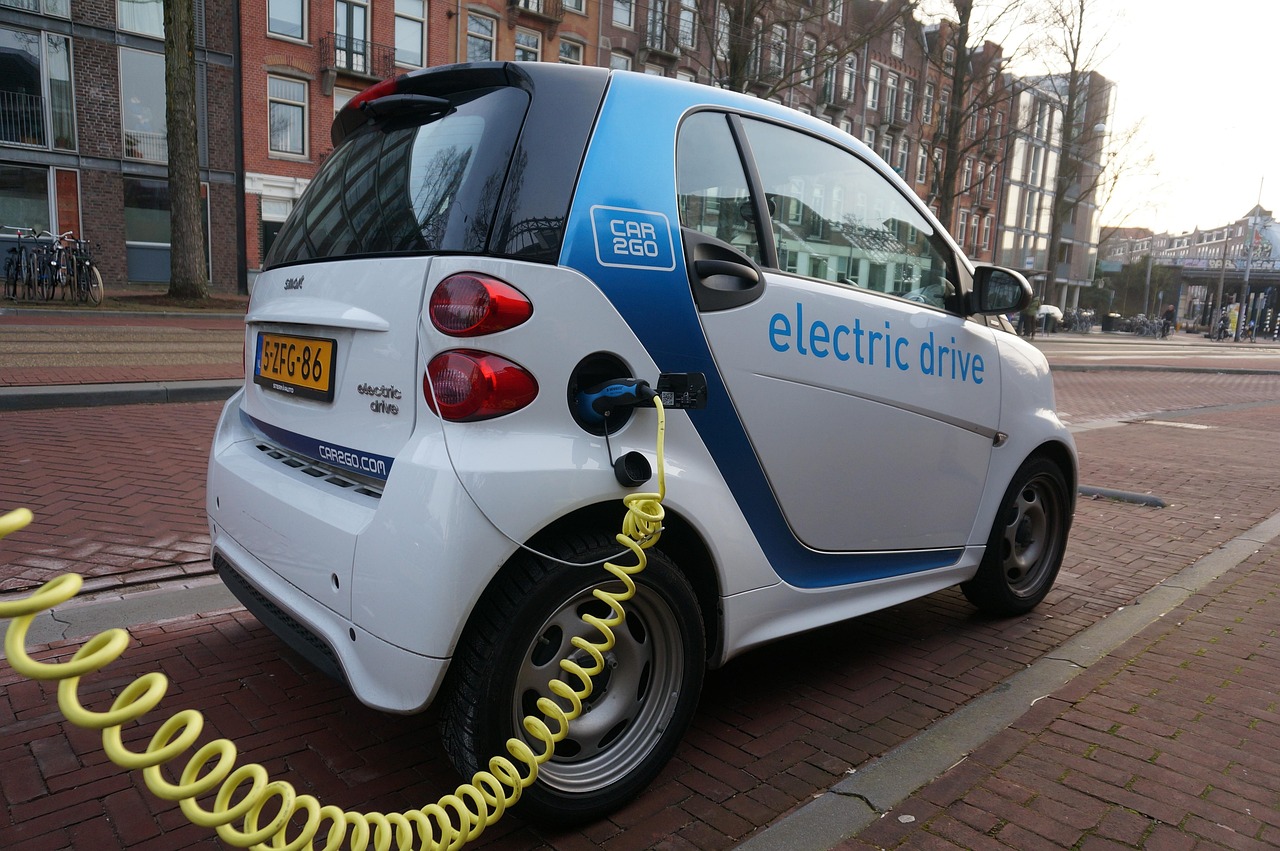
An electric vehicle is a car that is powered by one or more electric motors, using energy stored in batteries. Unlike traditional internal combustion engine vehicles, EVs produce zero tailpipe emissions, significantly reducing greenhouse gas emissions and air pollution in urban areas. The basic components of an electric vehicle include the electric motor, the controller, the battery, and the charger. These components work together to provide a smooth, quiet, and efficient driving experience.
Key Electric Vehicle Advancements
1. Battery Technology
Battery technology has been a critical area of focus for electric vehicle manufacturers, as it directly impacts the range, performance, and cost of EVs. Recent advancements in battery technology have led to significant improvements in energy density, charging speed, and overall efficiency.
- Key Benefits:
- Increased range and reduced charging times
- Improved safety features and reduced risk of battery fires
- Decreased production costs and lower vehicle prices
- Drawbacks:
- High upfront costs for some models
- Limited charging infrastructure in certain areas
- Concerns about battery durability and longevity
2. Charging Infrastructure
The expansion of charging infrastructure has been crucial for the widespread adoption of electric vehicles. Governments and private companies have invested heavily in the development of public charging stations, making it easier for EV owners to charge their vehicles on the go.
- Key Benefits:
- Increased convenience and reduced range anxiety
- Improved accessibility for long-distance travel
- Enhanced overall ownership experience
| Charging Type | Charging Speed | Charging Time |
|---|---|---|
| Level 1 (120V) | 2-5 miles per hour | 12-24 hours |
| Level 2 (240V) | 10-20 miles per hour | 4-8 hours |
| DC Fast Charging | 60-100 miles per 30 minutes | 30 minutes |
Practical Takeaways
✔ Reduced Emissions
Electric vehicles produce zero tailpipe emissions, making them an attractive option for environmentally conscious consumers.
✔ Lower Operating Costs
EVs are generally cheaper to run, with lower fuel and maintenance costs compared to traditional gas-powered vehicles.
✔ Improved Performance
Electric vehicles often provide a smoother, quieter, and more responsive driving experience due to their electric motors and instant torque.
✔ Government Incentives
Many governments offer incentives, such as tax credits or rebates, to encourage the adoption of electric vehicles.
✔ Increased Model Options
The selection of electric vehicles available on the market has expanded significantly, catering to a wide range of budgets, preferences, and needs.
✔ Charging Infrastructure Expansion
The growth of public charging infrastructure has made it easier for EV owners to charge their vehicles on the go, reducing range anxiety and increasing convenience.
What’s Coming
- Advancements in solid-state battery technology
- Increased investment in public charging infrastructure
- Expansion of electric vehicle model options across all segments
- Improved charging speeds and efficiency
- Enhanced battery durability and longevity
- Greater emphasis on sustainable and recyclable battery production
What It All Means
The electric vehicle sector is poised for continued growth and innovation, driven by advancements in technology, expanding charging infrastructure, and increasing consumer demand for sustainable transportation options. As the world transitions towards a more environmentally friendly future, electric vehicles are likely to play a central role. With their numerous benefits, including reduced emissions, lower operating costs, and improved performance, EVs are an attractive choice for those looking to make a positive impact on the environment.