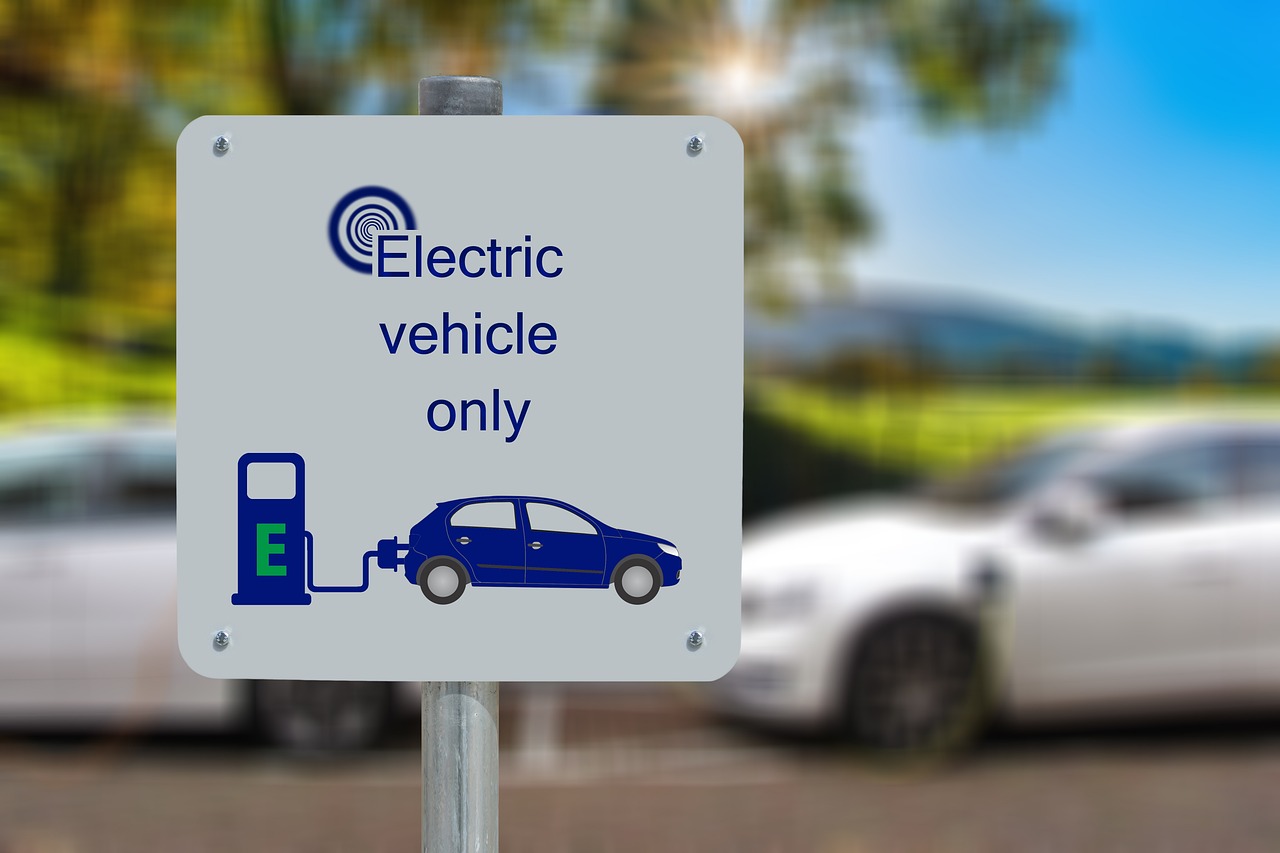
Imagine driving an electric vehicle across the country, stopping at charging stations along the way, and knowing that the energy used to power the car is coming from renewable sources. This is becoming a reality as governments and companies invest in electric vehicle infrastructure. As the demand for electric vehicles grows, so does the need for a comprehensive network of charging stations. In the United States, for example, the number of public charging stations has increased significantly over the past few years.
The expansion of electric vehicle infrastructure is not limited to the United States, as many countries around the world are also investing in this technology. In Norway, for instance, electric vehicles account for a significant percentage of new car sales, and the country has an extensive network of charging stations to support them. Similarly, in China, the government has set ambitious targets for the adoption of electric vehicles, and is investing heavily in the development of charging infrastructure.
The benefits of electric vehicle infrastructure are numerous, from reducing greenhouse gas emissions to improving air quality in urban areas. As the technology continues to evolve, it is likely that we will see even more innovative solutions for charging and powering electric vehicles. From solar-powered charging stations to advanced battery technologies, the future of electric vehicle infrastructure is looking bright.
As the world continues to transition towards a more sustainable and environmentally-friendly transportation system, the importance of electric vehicle infrastructure will only continue to grow. With many countries and companies investing in this technology, it is likely that we will see significant advancements in the coming years.
What Is EV Infrastructure?
Electric vehicle infrastructure refers to the network of charging stations, battery swap stations, and other supporting technologies that enable the widespread adoption of electric vehicles. This infrastructure is critical for the growth of the electric vehicle market, as it provides drivers with the confidence to purchase and use electric vehicles for both short and long distances. EV infrastructure includes a range of components, from charging stations and battery technologies to software systems for managing and optimizing energy usage.
Core EV Infrastructure Approaches
1. Public Charging Stations
Public charging stations are a crucial component of electric vehicle infrastructure, providing drivers with convenient and accessible locations to charge their vehicles. These stations can be found in a variety of locations, including shopping centers, parking garages, and along highways.
- Plus Points:
- Convenient and accessible locations
- Fast charging capabilities
- Supports the growth of the electric vehicle market
- Hurdles to Overcome:
- High upfront costs for installation
- Limited availability in some areas
- Standardization of charging technologies
2. Private Charging Stations
Private charging stations are designed for personal use, typically installed at a person’s home or workplace. These stations provide a convenient and cost-effective way to charge electric vehicles, and can be integrated with solar panels and other renewable energy sources.
- Plus Points:
- Convenient and cost-effective
- Can be integrated with renewable energy sources
- Supports the adoption of electric vehicles
- Hurdles to Overcome:
- High upfront costs for installation
- Limited availability of compatible vehicles
- Dependence on a stable electricity supply
| Country | Number of Public Charging Stations | Number of Electric Vehicles |
|---|---|---|
| United States | 20,000 | 1 million |
| China | 50,000 | 2 million |
| Norway | 10,000 | 500,000 |
What This Means in Practice
✔ Increased Adoption of Electric Vehicles
The expansion of electric vehicle infrastructure is likely to lead to an increase in the adoption of electric vehicles, as drivers become more confident in the availability of charging stations and the overall convenience of owning an electric vehicle.
✔ Reduced Greenhouse Gas Emissions
As the number of electric vehicles on the road increases, so does the potential for reducing greenhouse gas emissions and improving air quality in urban areas. Electric vehicles produce zero tailpipe emissions, making them an attractive alternative to traditional gasoline-powered vehicles.
✔ Improved Energy Efficiency
Electric vehicle infrastructure can also support the development of more efficient energy systems, such as smart grids and renewable energy sources. This can lead to a reduction in energy consumption and a decrease in the strain on the electricity grid.
✔ Enhanced Economic Benefits
The growth of the electric vehicle market is likely to create new job opportunities and stimulate economic growth, particularly in the manufacturing and technology sectors. As the demand for electric vehicles increases, so does the need for skilled workers to design, build, and maintain the vehicles and supporting infrastructure.
✔ Increased Energy Independence
By investing in electric vehicle infrastructure and renewable energy sources, countries can reduce their dependence on fossil fuels and improve their energy independence. This can lead to a more stable and secure energy supply, as well as a reduction in the impact of price volatility on the energy market.
✔ Better Air Quality
Electric vehicles produce zero tailpipe emissions, making them an attractive alternative to traditional gasoline-powered vehicles. As the number of electric vehicles on the road increases, so does the potential for improving air quality in urban areas and reducing the negative impacts of air pollution on public health.
How This Will Evolve
- Increased investment in electric vehicle infrastructure, including public and private charging stations
- Advancements in battery technologies, such as improved range and efficiency
- Integration of electric vehicles with renewable energy sources, such as solar and wind power
- Development of more efficient and convenient charging systems, such as fast charging and wireless charging
- Growth of the electric vehicle market, with more countries and companies investing in the technology
- Expansion of electric vehicle infrastructure into new markets, such as public transportation and commercial fleets
The Bottom Line
Electric vehicle infrastructure is a critical component of the transition to a more sustainable and environmentally-friendly transportation system. As the demand for electric vehicles continues to grow, so does the need for a comprehensive network of charging stations and supporting technologies. With many countries and companies investing in this technology, it is likely that we will see significant advancements in the coming years.
The expansion of electric vehicle infrastructure has the potential to reduce greenhouse gas emissions, improve air quality, and support the growth of the electric vehicle market. As the technology continues to evolve, it is likely that we will see even more innovative solutions for charging and powering electric vehicles.
Overall, the future of electric vehicle infrastructure is looking bright, with many opportunities for growth and development in the years to come.