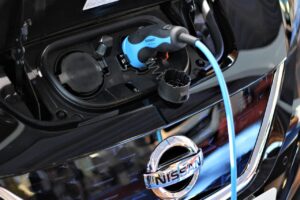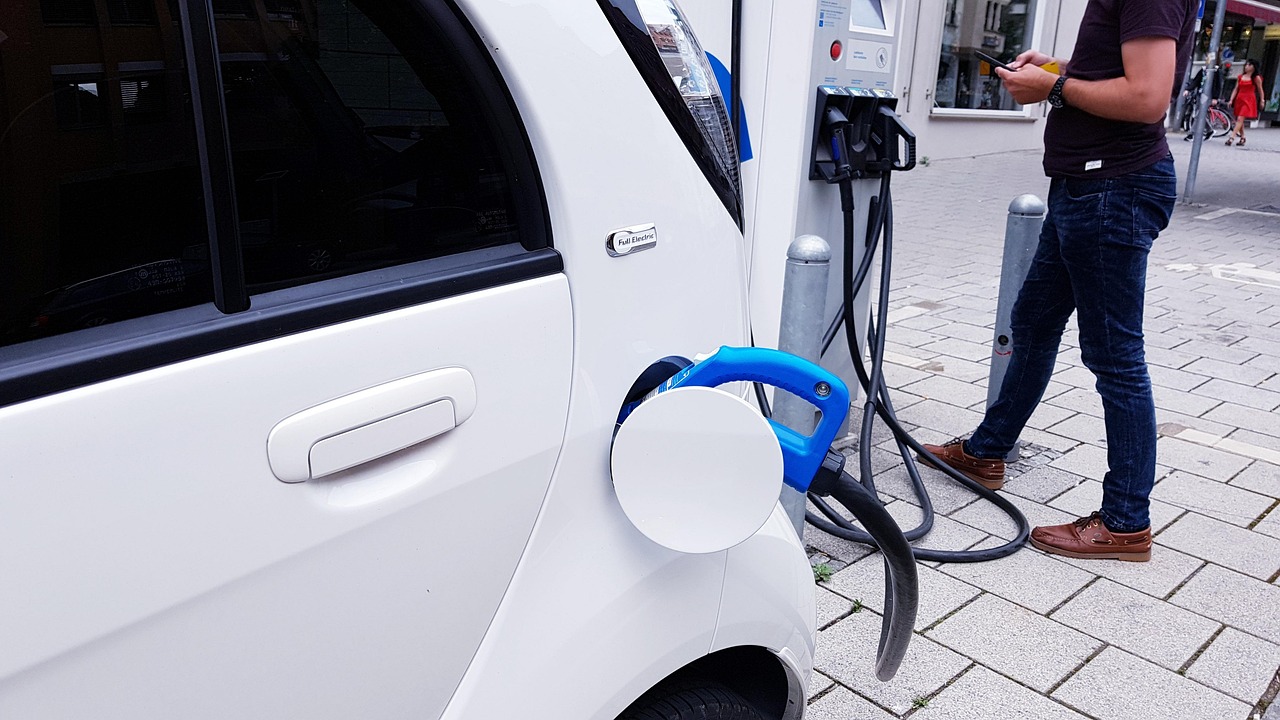
40 million electric vehicles are expected to be on the road by 2030, necessitating a robust charging network. This number highlights the significance of investing in charging infrastructure to support the growing demand for electric vehicles. The development of charging networks is crucial for the widespread adoption of electric vehicles, as it directly impacts their usability and appeal to potential buyers. Furthermore, a well-developed charging network can reduce range anxiety, making electric vehicles a more viable option for long-distance travel.
A Closer Look at Charging Networks
A charging network refers to the system of charging stations and infrastructure that supports the replenishment of electric vehicles’ batteries. It encompasses a wide range of components, including charging points, payment systems, and network management software. The primary goal of a charging network is to provide convenient, efficient, and reliable charging services to electric vehicle owners, thereby encouraging the adoption of electric vehicles and reducing dependence on fossil fuels.
Core Charging Network Approaches
1. Fast Charging
Fast charging is a method of charging that can replenish a significant portion of an electric vehicle’s battery in a short amount of time, typically under 30 minutes. This approach is particularly useful for long-distance travel, where time is of the essence.
- Key Benefits:
- Convenience: Fast charging allows drivers to quickly recharge their vehicles, making long-distance travel more practical.
- Efficiency: Fast charging stations can serve a high volume of vehicles, reducing the need for multiple charging points in a single location.
- Drawbacks:
- High Cost: Fast charging stations are more expensive to install and maintain compared to standard charging points.
- Technical Challenges: Fast charging requires advanced technology to manage the high power output, which can be a technical challenge.
2. Slow Charging
Slow charging, on the other hand, is a method of charging that replenishes an electric vehicle’s battery over a longer period, typically several hours. This approach is often used for overnight charging at home or for vehicles that are parked for extended periods.
- Key Benefits:
- Cost-Effectiveness: Slow charging is generally less expensive to install and maintain than fast charging.
- Simplicity: Slow charging stations require less complex technology, making them easier to manage and repair.
- Drawbacks:
- Time-Consuming: Slow charging can take several hours to fully charge a vehicle, which may not be convenient for drivers who need to use their vehicles frequently.
- Limited Application: Slow charging is not suitable for long-distance travel or situations where quick recharging is necessary.
| Charging Type | Charging Time | Cost |
|---|---|---|
| Fast Charging | Under 30 minutes | High |
| Slow Charging | Several hours | Low |
How This Affects Everyday Life
✔ Increased Adoption of Electric Vehicles
The development of charging networks will lead to increased adoption of electric vehicles, as range anxiety is alleviated and charging becomes more convenient.
✔ Reduced Greenhouse Gas Emissions
Widespread adoption of electric vehicles, facilitated by charging networks, will result in reduced greenhouse gas emissions from the transportation sector.
✔ New Business Opportunities
The growth of charging networks will create new business opportunities in the fields of charging station installation, maintenance, and operation.
✔ Improved Air Quality
By promoting the use of electric vehicles, charging networks will contribute to improved air quality in urban areas, enhancing public health.
✔ Enhanced Energy Efficiency
Charging networks will encourage the optimization of energy consumption patterns, as electric vehicles and their charging systems become more energy-efficient.
What to Expect Next
- Expansion of Charging Infrastructure: Expect significant investments in the expansion of charging infrastructure to support the growing demand for electric vehicles.
- Advancements in Charging Technology: Technological advancements will lead to faster, more efficient, and cost-effective charging solutions.
- Increased Focus on Sustainability: There will be a heightened focus on the sustainability of charging networks, including the use of renewable energy sources to power charging stations.
- Integration with Smart Grids: Charging networks will be integrated with smart grids to optimize energy distribution and consumption.
- Enhanced User Experience: Charging networks will prioritize user experience, offering convenient, user-friendly interfaces for payment and charging management.
- Expansion into New Markets: Charging networks will expand into new markets, including rural areas and developing countries, to promote the global adoption of electric vehicles.
What It All Means
The development and expansion of charging networks are crucial for the widespread adoption of electric vehicles and the reduction of greenhouse gas emissions. As charging networks continue to evolve, they will play a pivotal role in shaping the future of transportation and energy consumption. Ultimately, the success of charging networks will depend on their ability to provide convenient, efficient, and sustainable charging solutions that meet the evolving needs of electric vehicle owners.