Hybrid technology is revolutionizing various industries and aspects of life, offering a powerful combination of traditional and modern approaches to improve efficiency, performance, and sustainability. As the world becomes increasingly complex and interconnected, the need for hybrid solutions has never been more pressing. With the rise of hybrid technology, individuals and organizations can now access a wide range of tools and strategies to enhance their operations and achieve their goals. From hybrid vehicles to hybrid cloud computing, the possibilities are endless, and the benefits are numerous.
Breaking Down Hybrid
A hybrid is a combination of two or more different things, such as technologies, approaches, or systems, merged to create something new and improved. In the context of technology, hybrid refers to the integration of different platforms, tools, or infrastructure to create a more efficient, scalable, and flexible solution. Hybrid technology can be applied to various fields, including energy, transportation, computing, and more, offering a range of benefits, from increased productivity to reduced costs and environmental impact.
Top Hybrid Innovations to Know
1. Hybrid Cloud Computing
Hybrid cloud computing is a type of cloud computing that combines public and private cloud services to create a more flexible and scalable infrastructure. This approach allows organizations to take advantage of the benefits of both public and private clouds, including increased security, reduced costs, and improved performance.
- Strengths:
- Improved scalability and flexibility
- Enhanced security and compliance
- Reduced costs and increased efficiency
- What Needs Work:
- Complexity and management challenges
- Integration and interoperability issues
- Dependence on internet connectivity
2. Hybrid Vehicles
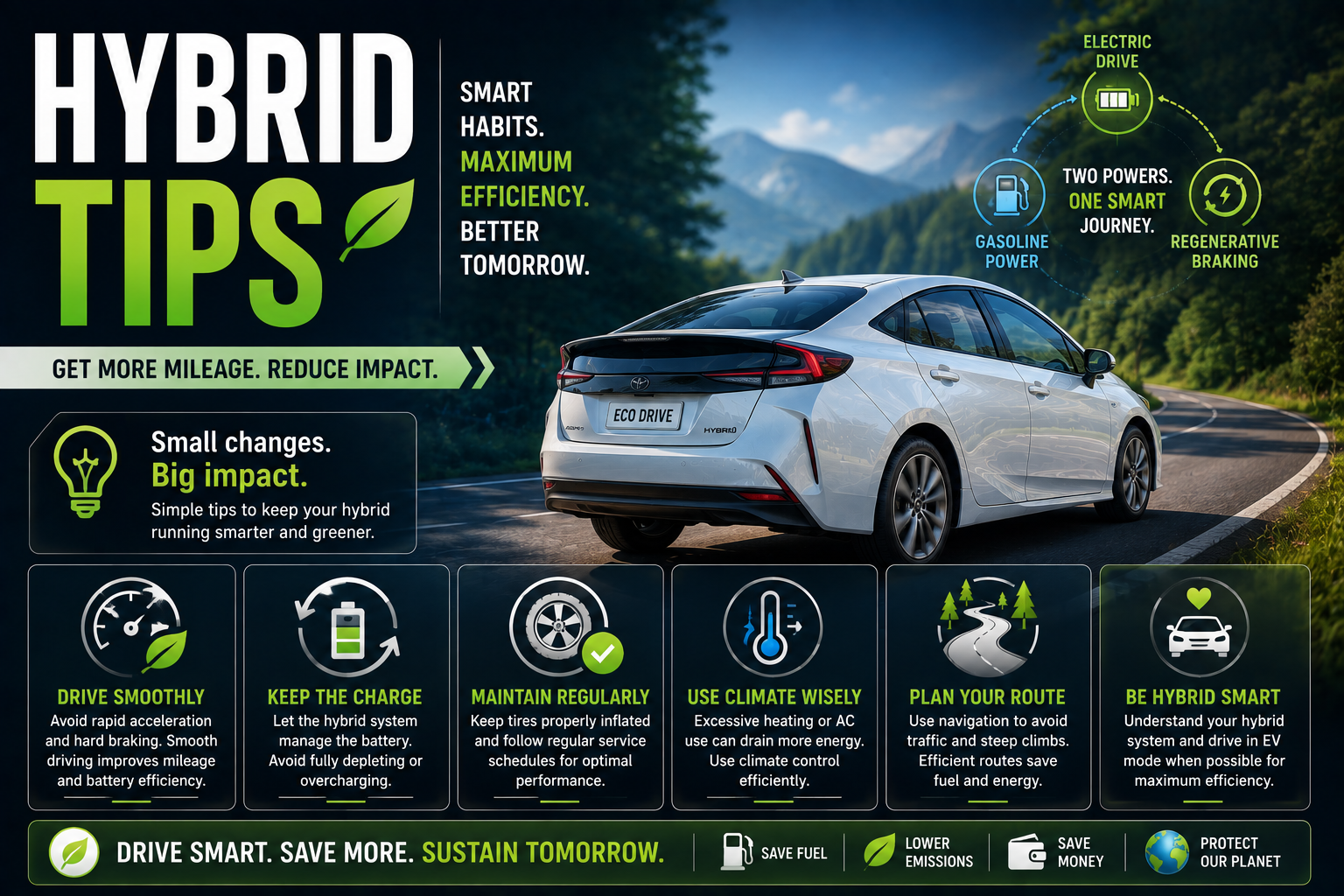
Hybrid vehicles are cars that combine a conventional internal combustion engine with an electric motor to achieve better fuel efficiency and reduced emissions. This technology has become increasingly popular in recent years, offering a more environmentally friendly and cost-effective alternative to traditional gas-powered vehicles.
- Strengths:
- Improved fuel efficiency and reduced emissions
- Lower operating costs and increased savings
- Smooth and quiet ride
- What Needs Work:
- Higher upfront costs and limited model options
- Battery durability and replacement concerns
- Dependence on charging infrastructure
| Hybrid Type | Description | Benefits |
|---|---|---|
| Hybrid Cloud | Combination of public and private cloud services | Improved scalability, security, and efficiency |
| Hybrid Vehicle | Combination of conventional and electric powertrains | Improved fuel efficiency, reduced emissions, and lower operating costs |
What This Means in Practice
✔ Improved Efficiency
Hybrid technology can help individuals and organizations streamline their operations, reduce waste, and increase productivity, leading to improved efficiency and reduced costs.
✔ Enhanced Sustainability
Hybrid solutions can contribute to a more sustainable future by reducing environmental impact, conserving resources, and promoting eco-friendly practices.
✔ Increased Flexibility
Hybrid technology offers a range of benefits, including improved scalability, flexibility, and adaptability, allowing individuals and organizations to respond to changing circumstances and stay ahead of the curve.
✔ Better Decision-Making
Hybrid solutions can provide access to more accurate and timely data, enabling better decision-making and improved outcomes.
✔ Reduced Risk
Hybrid technology can help mitigate risk by providing a more robust and resilient infrastructure, reducing the likelihood of downtime, and improving overall stability.
What’s Coming
- Increased adoption of hybrid cloud computing and hybrid vehicles
- Advances in artificial intelligence and machine learning for hybrid systems
- Growing demand for sustainable and eco-friendly hybrid solutions
- Improved infrastructure and charging networks for hybrid vehicles
- More affordable and accessible hybrid technology for individuals and organizations
- Greater emphasis on cybersecurity and data protection for hybrid systems
Closing Thoughts
Hybrid technology is transforming the way we live and work, offering a powerful combination of traditional and modern approaches to improve efficiency, performance, and sustainability. As the world becomes increasingly complex and interconnected, the need for hybrid solutions will only continue to grow. By embracing hybrid technology and staying ahead of the curve, individuals and organizations can unlock new opportunities, drive innovation, and create a better future for all.