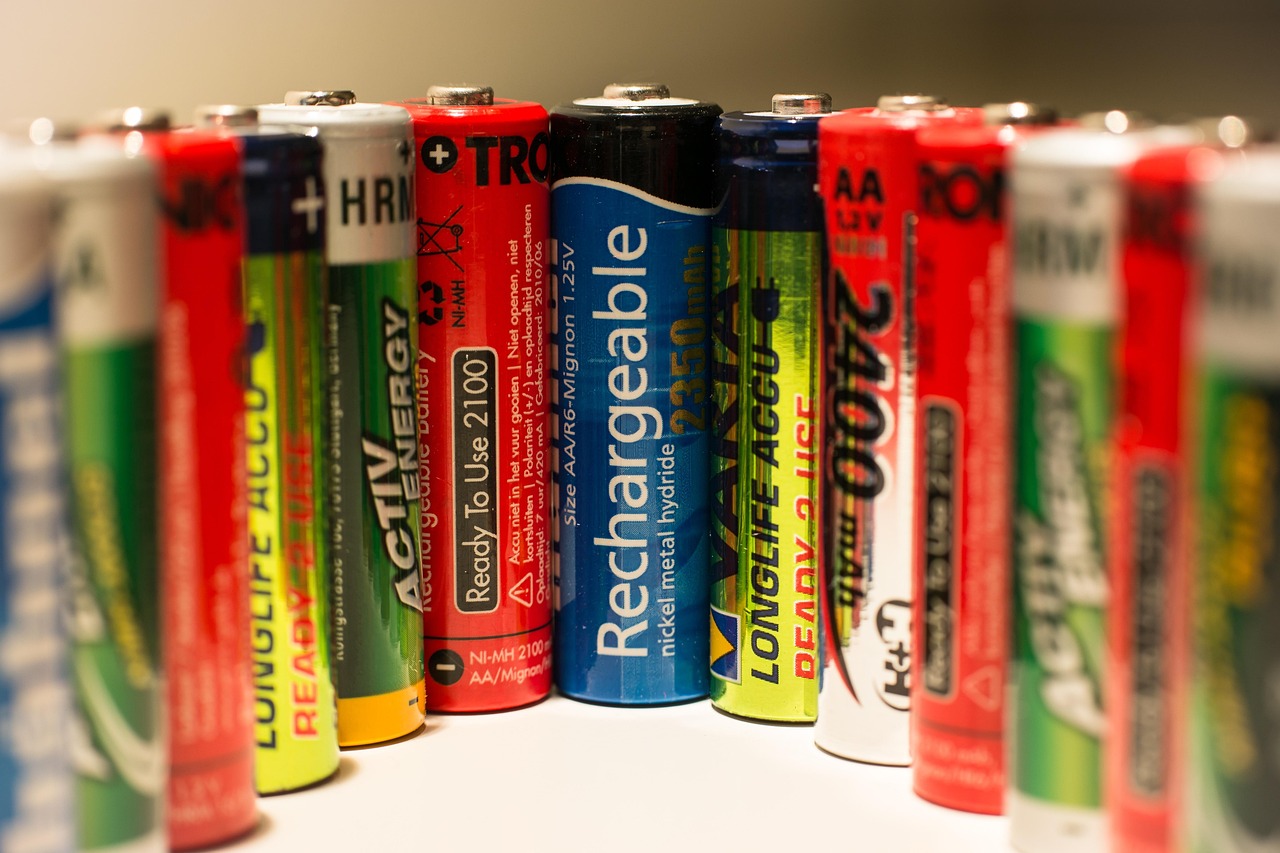
Charging cycles are a real-world problem that affects the lifespan and efficiency of devices, from smartphones to electric vehicles. The way batteries are charged and discharged can significantly impact their overall health and performance. Understanding charging cycles is essential for optimizing battery life and reducing the need for frequent replacements. As technology continues to advance, the importance of charging cycles will only continue to grow.
What Does Charging Cycles Mean?
Charging cycles refer to the process of charging and discharging a battery, with one cycle consisting of a full charge followed by a full discharge. The number of charging cycles a battery can handle before its capacity starts to degrade is a key factor in determining its overall lifespan. Charging cycles are affected by various factors, including the type of battery, charging method, and environmental conditions.
Latest Charging Cycles Technologies
1. Lithium-Ion Batteries
Lithium-ion batteries are one of the most common types of batteries used in portable devices, known for their high energy density and long lifespan. These batteries can handle a significant number of charging cycles before their capacity starts to degrade.
- Why It Works:
- High energy density
- Long lifespan
- Low self-discharge rate
- Challenges:
- High cost
- Sensitive to temperature and charging method
- Can be prone to overheating
2. Solid-State Batteries
Solid-state batteries are a new type of battery that replaces the liquid electrolyte with a solid material, offering improved safety, energy density, and charging cycle lifespan. These batteries have the potential to revolutionize the way devices are powered.
- Why It Works:
- Improved safety
- Higher energy density
- Increased charging cycle lifespan
- Challenges:
- High development cost
- Scalability issues
- Limited availability
| Battery Type | Charging Cycles | Energy Density |
|---|---|---|
| Lithium-Ion | 300-500 | 100-265 Wh/kg |
| Solid-State | 1000-2000 | 150-300 Wh/kg |
What This Means in Practice
✔ Extended Battery Lifespan
Understanding charging cycles and using the right battery technology can significantly extend the lifespan of devices, reducing the need for frequent replacements and minimizing electronic waste.
✔ Improved Device Performance
Optimizing charging cycles can improve device performance, ensuring that devices run smoothly and efficiently, even after extended use.
✔ Increased Energy Efficiency
Charging cycles can be optimized to reduce energy consumption, resulting in significant cost savings and a reduced carbon footprint.
✔ Enhanced Safety
Understanding charging cycles and using the right battery technology can improve device safety, reducing the risk of overheating, explosions, and other accidents.
✔ Reduced Maintenance
Optimizing charging cycles can reduce the need for frequent battery replacements and maintenance, resulting in significant cost savings and reduced downtime.
What’s Coming
- Advances in battery technology, such as solid-state batteries and lithium-air batteries
- Increased focus on sustainable and eco-friendly battery solutions
- Development of more efficient charging methods, such as wireless charging and fast charging
- Improved battery management systems, enabling more efficient charging and discharging
- Increased use of artificial intelligence and machine learning to optimize charging cycles and improve device performance
- Greater emphasis on battery recycling and repurposing, reducing electronic waste and minimizing environmental impact
The Bottom Line
Charging cycles are a critical aspect of battery health, affecting the lifespan and efficiency of devices. By understanding charging cycles and using the right battery technology, devices can be optimized to run more efficiently, safely, and sustainably. As technology continues to evolve, the importance of charging cycles will only continue to grow, driving innovation and improvements in battery technology and device performance.