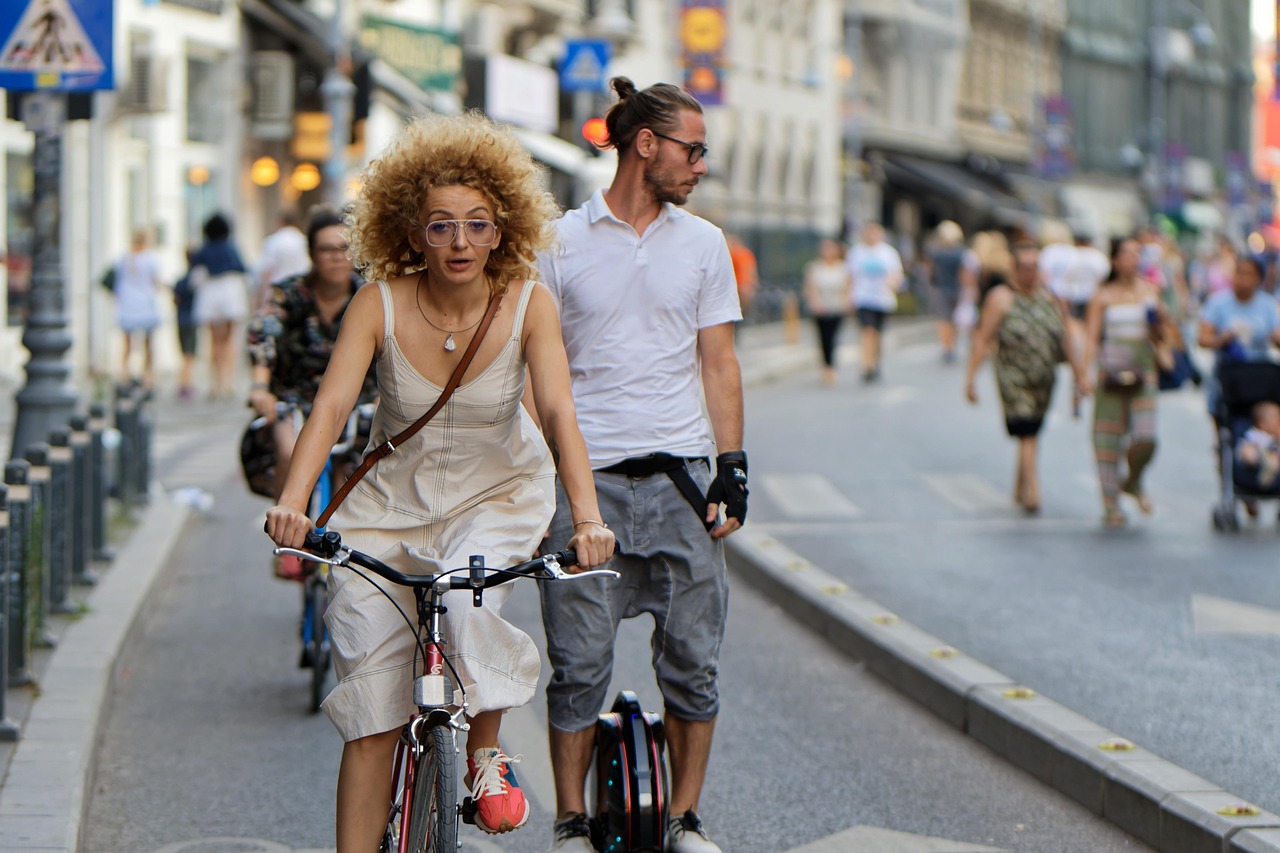
Imagine waking up every morning, getting ready for work, and heading out the door, only to be greeted by a sea of brake lights and a parking lot that used to be a highway. For many, this is a daily reality, and it can be frustrating and exhausting. However, there are many common misconceptions about commuting that can make the experience even more difficult than it needs to be.
Commuting is a necessary part of life for many people, and it can be a significant source of stress and anxiety. From traffic congestion to public transport, there are many factors that can affect the commuting experience. Here, we will explore some common myths about commuting and reveal the truth behind them.
Whether you are a seasoned commuter or just starting out, it is essential to understand the realities of daily travel. By debunking common myths and misconceptions, we can make our commutes more efficient, reduce stress, and improve our overall quality of life.
What Does Commuting Mean?
Commuting refers to the act of traveling between one’s home and workplace on a regular basis. This can involve driving a car, taking public transport, cycling, or walking, and it can be a significant part of our daily routine. Commuting can be affected by many factors, including traffic congestion, road conditions, and the availability of public transport. Understanding what commuting means is essential to understanding the challenges and opportunities that it presents.
Commuting Methods Worth Knowing
1. Driving
Driving is one of the most common methods of commuting, and it can be a convenient and flexible way to travel. However, it can also be affected by traffic congestion, parking difficulties, and the costs of fuel and maintenance.
- Plus Points:
- Convenience and flexibility
- Door-to-door travel
- Ability to carry passengers and cargo
- Challenges:
- Traffic congestion and parking difficulties
- Costs of fuel and maintenance
- Environmental impact
2. Public Transport
Public transport is another common method of commuting, and it can be a cost-effective and environmentally friendly way to travel. However, it can also be affected by schedules, routes, and the availability of services.
- Plus Points:
- Cost-effective and environmentally friendly
- Reduced traffic congestion and parking difficulties
- Social benefits and opportunities to meet new people
- Challenges:
- Schedules and routes may not be convenient
- Availability of services may be limited
- Crowding and discomfort during peak hours
| Commuting Method | Advantages | Disadvantages |
|---|---|---|
| Driving | Convenience, flexibility, door-to-door travel | Traffic congestion, parking difficulties, costs of fuel and maintenance |
| Public Transport | Cost-effective, environmentally friendly, social benefits | Schedules and routes may not be convenient, availability of services may be limited, crowding and discomfort during peak hours |
Real-World Benefits
✔ Reduced Traffic Congestion
By understanding the realities of commuting and debunking common myths, we can reduce traffic congestion and make our commutes more efficient. This can be achieved by using public transport, carpooling, or adjusting our schedules to avoid peak hours.
✔ Improved Air Quality
Commuting can have a significant impact on air quality, particularly in urban areas. By using environmentally friendly modes of transport, such as cycling or electric vehicles, we can reduce our carbon footprint and improve the air quality in our communities.
✔ Increased Productivity
Commuting can be a significant source of stress and anxiety, which can affect our productivity and overall well-being. By finding ways to make our commutes more efficient and enjoyable, we can increase our productivity and achieve a better work-life balance.
✔ Better Work-Life Balance
Commuting can be a significant part of our daily routine, and it can affect our work-life balance. By understanding the realities of commuting and finding ways to make our commutes more efficient, we can achieve a better balance between our work and personal lives.
✔ Cost Savings
Commuting can be expensive, particularly if we are driving a car or using taxis. By using public transport, carpooling, or cycling, we can save money on fuel, maintenance, and other costs associated with commuting.
✔ Improved Mental Health
Commuting can be a significant source of stress and anxiety, which can affect our mental health and well-being. By finding ways to make our commutes more enjoyable and relaxing, we can improve our mental health and reduce the risk of burnout.
The Road Ahead
- Increased use of public transport and environmentally friendly modes of transport
- More flexible work arrangements and remote work options
- Improved traffic management and infrastructure
- Greater emphasis on pedestrian and cyclist safety
- More investment in transportation technology and innovation
- Changing attitudes and behaviors towards commuting and transport
Final Thoughts
Commuting is a complex and multifaceted issue that affects many people around the world. By understanding the realities of commuting and debunking common myths, we can make our commutes more efficient, reduce stress, and improve our overall quality of life. Whether we are driving, using public transport, or cycling, it is essential to find ways to make our commutes more enjoyable and sustainable.
Ultimately, the future of commuting will depend on our ability to adapt to changing circumstances and find innovative solutions to the challenges we face. By working together and sharing our knowledge and experiences, we can create a better future for commuters everywhere.
As we move forward, it is essential to prioritize the needs of commuters and invest in transportation infrastructure, technology, and innovation. By doing so, we can create a more sustainable, efficient, and enjoyable commuting experience for everyone.