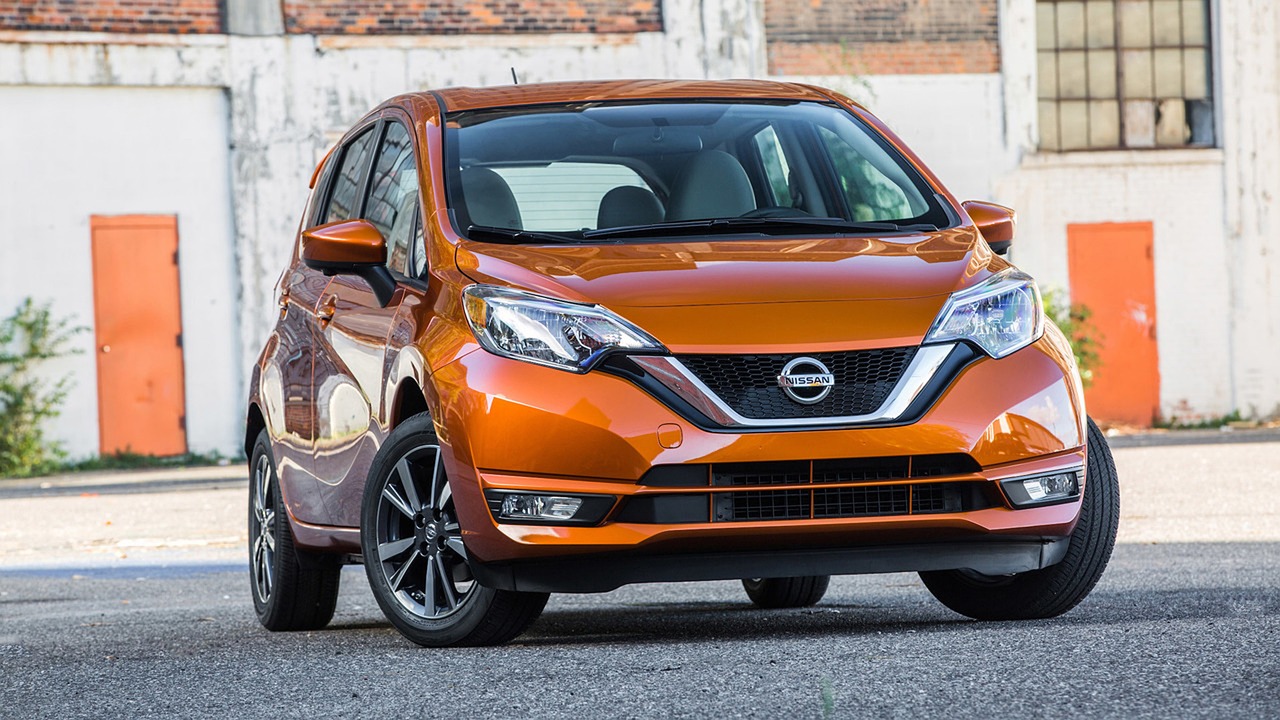
Most people misunderstand the capabilities and benefits of the Nissan Leaf, viewing it as just another electric vehicle. However, the Leaf stands out due to its advanced technology, sustainable design, and unique driving experience. The general perception of electric vehicles as being less powerful or less convenient than traditional gasoline-powered cars is not accurate for the Nissan Leaf. Its innovative features and efficient performance make it an attractive option for those looking for an environmentally friendly vehicle.
Understanding the Nissan Leaf
The Nissan Leaf is a compact five-door hatchback electric vehicle produced by Nissan. It was first introduced in 2010 and has since become one of the best-selling electric vehicles worldwide. The Leaf is known for its zero-emission technology, making it an environmentally friendly option for drivers. Its advanced electric motor and battery system provide a smooth and quiet driving experience, while its innovative features such as regenerative braking and eco-mode contribute to its efficiency.
Major Nissan Leaf Developments
1. Introduction and First Generation
The first generation of the Nissan Leaf was launched in 2010, featuring a 24 kWh battery pack and an electric motor producing 109 horsepower. This initial model set the stage for the development of future generations, with improvements in range, performance, and technology. The first generation Leaf was praised for its spacious interior, smooth acceleration, and low operating costs.
- Plus Points:
- Zero-emission technology
- Low operating costs
- Smooth and quiet driving experience
- Known Issues:
- Limited range compared to gasoline-powered vehicles
- Higher upfront cost
2. Second Generation and Updates
The second generation of the Nissan Leaf was introduced in 2017, featuring a 40 kWh battery pack and an electric motor producing 147 horsepower. This update significantly improved the vehicle’s range and performance, making it more competitive in the market. Additional features such as ProPilot Assist and e-Pedal were also introduced, enhancing the driving experience and safety of the vehicle.
- Plus Points:
- Improved range and performance
- Advanced safety features
- Enhanced driving experience with e-Pedal
- Known Issues:
- Some drivers found the e-Pedal take time to get used to
- Limited availability of charging infrastructure in some areas
| Generation | Battery Capacity | Electric Motor Power | Range |
|---|---|---|---|
| First Generation | 24 kWh | 109 horsepower | 84 miles |
| Second Generation | 40 kWh | 147 horsepower | 151 miles |
What This Means in Practice
The advancements in the Nissan Leaf have significant implications for drivers. The improved range and performance make it a viable option for daily commuting and road trips. The inclusion of advanced safety features and innovative driving technologies enhance the overall driving experience.
✔ Reduced Environmental Impact
The zero-emission technology of the Nissan Leaf contributes to a reduction in greenhouse gas emissions and air pollution, making it an attractive choice for environmentally conscious drivers.
✔ Lower Operating Costs
The electric motor and battery system of the Leaf result in lower operating costs compared to traditional gasoline-powered vehicles, with savings on fuel and maintenance.
✔ Enhanced Safety Features
The introduction of advanced safety features such as ProPilot Assist and automatic emergency braking enhance the safety of the vehicle, providing drivers with increased peace of mind.
✔ Improved Performance
The updated electric motor and battery system of the second generation Leaf provide improved acceleration and a more responsive driving experience.
✔ Increased Range
The larger battery capacity of the second generation Leaf significantly increases the vehicle’s range, making it more suitable for long-distance travel.
✔ Advanced Driving Technologies
The inclusion of innovative features such as e-Pedal and regenerative braking contribute to a unique and efficient driving experience.
Where This Is Headed
- Future generations of the Nissan Leaf are expected to feature even more advanced technology and increased range.
- The development of solid-state batteries is anticipated to further improve the efficiency and performance of electric vehicles.
- Increased investment in charging infrastructure is likely to expand the accessibility of electric vehicles.
- Government incentives and regulations are expected to continue supporting the adoption of electric vehicles.
- The integration of autonomous driving technologies is predicted to enhance the safety and convenience of electric vehicles.
- The expansion of electric vehicle models and options is anticipated to increase competition and drive innovation in the market.
Wrapping Up
The Nissan Leaf is a pioneering electric vehicle that has made significant contributions to the development of sustainable transportation. Its advanced technology, efficient performance, and environmentally friendly design make it an attractive option for drivers. As the automotive industry continues to evolve, the Nissan Leaf is likely to remain a leading figure in the electric vehicle market.
The future of the Nissan Leaf and electric vehicles in general is promising, with ongoing advancements in technology and infrastructure expected to further improve their appeal and accessibility.
With its commitment to innovation and sustainability, the Nissan Leaf is an excellent choice for those looking for a reliable and environmentally friendly vehicle.