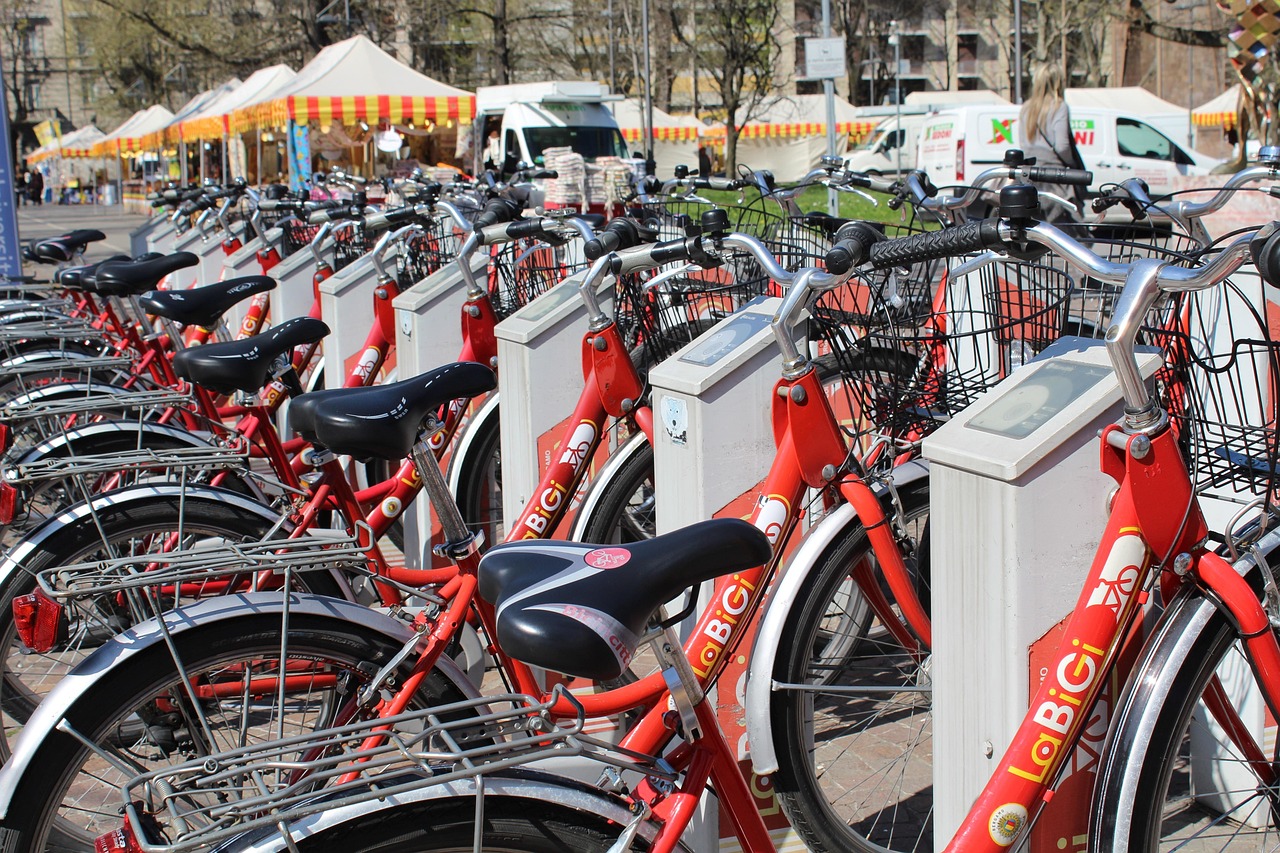
Sustainable transport has undergone significant transformations over the years, from the early adoption of electric vehicles to the current widespread use of hybrid and biofuel-powered cars. Before the shift towards sustainable transport, the primary mode of transportation relied heavily on fossil fuels, resulting in increased greenhouse gas emissions and air pollution. However, with the introduction of sustainable transport options, there has been a notable reduction in carbon footprint and a decrease in the number of pollutants released into the atmosphere. Today, sustainable transport continues to evolve, incorporating new technologies and innovative solutions to reduce environmental impact.
Defining Sustainable Transport
Sustainable transport refers to the use of transportation methods that minimize environmental impact, conserve resources, and promote social equity. It encompasses a broad range of transportation modes, including walking, cycling, public transport, and the use of eco-friendly vehicles. The primary goal of sustainable transport is to reduce the reliance on fossil fuels, decrease greenhouse gas emissions, and create a healthier environment for present and future generations.
Core Sustainable Transport Approaches
1. Non-Motorized Transport
Non-motorized transport, such as walking and cycling, is a crucial component of sustainable transport. It provides numerous benefits, including improved physical health, reduced traffic congestion, and a decrease in air pollution. By incorporating pedestrian-friendly and cyclist-friendly infrastructure, cities can promote the use of non-motorized transport and create a more sustainable environment.
- What You Gain:
- Improved physical health
- Reduced traffic congestion
- Decrease in air pollution
2. Public Transport
Public transport is another essential component of sustainable transport. It provides an efficient and environmentally friendly way to transport large numbers of people, reducing the need for personal vehicles and the resulting greenhouse gas emissions. By investing in modern public transport systems, cities can promote the use of sustainable transport and create a more livable environment.
- What You Gain:
- Efficient transportation of large numbers of people
- Reduced greenhouse gas emissions
- Decrease in traffic congestion
- Current Limitations:
- Limited coverage in rural areas
- High initial investment costs
- Potential for overcrowding
| Transport Mode | Greenhouse Gas Emissions | Air Pollution |
|---|---|---|
| Non-Motorized Transport | Zero emissions | Zero pollution |
| Public Transport | Reduced emissions | Reduced pollution |
| Private Vehicles | High emissions | High pollution |
What This Means in Practice
✔ Improved Air Quality
Sustainable transport leads to a significant reduction in air pollution, resulting in improved air quality and a healthier environment.
✔ Reduced Greenhouse Gas Emissions
The use of sustainable transport modes, such as non-motorized transport and public transport, reduces greenhouse gas emissions and contributes to a decrease in climate change.
✔ Increased Energy Efficiency
Sustainable transport promotes the use of energy-efficient vehicles and transportation systems, reducing energy consumption and minimizing waste.
✔ Enhanced Social Equity
Sustainable transport provides equal access to transportation for all members of society, regardless of income or social status, promoting social equity and justice.
✔ Reduced Traffic Congestion
The use of sustainable transport modes, such as public transport and non-motorized transport, reduces traffic congestion, resulting in decreased travel times and improved overall mobility.
✔ Economic Benefits
Sustainable transport can have numerous economic benefits, including reduced fuel costs, decreased maintenance costs, and increased economic productivity.
Looking Ahead
- Increased investment in sustainable transport infrastructure
- Widespread adoption of electric and hybrid vehicles
- Development of advanced public transport systems
- Integration of non-motorized transport into urban planning
- Implementation of smart traffic management systems
- Promotion of sustainable transport through education and awareness campaigns
Worth Remembering
Sustainable transport is a critical component of a sustainable future, providing numerous benefits for the environment, society, and the economy. By adopting sustainable transport modes and investing in sustainable transport infrastructure, individuals and communities can contribute to a healthier, more livable environment. The transition to sustainable transport requires a collective effort, involving governments, businesses, and individuals working together to create a more sustainable future.