Before the dawn of urban planning and transportation systems, daily commutes were relatively simple, involving short distances and minimal traffic. However, with the rise of cities and suburban areas, commuting has become a complex issue, affecting millions of people worldwide. The average commute time has increased significantly, with many individuals spending several hours a day traveling to and from work. This change has had profound effects on personal lives, productivity, and the environment. As commuting continues to evolve, it is essential to understand its intricacies to make informed decisions about travel routines.
Defining Commuting
Commuting refers to the regular travel between home and a workplace or school, often involving the use of public or private transportation. This daily path can have significant impacts on an individual’s quality of life, productivity, and overall well-being. Commuting can be categorized into different types, including driving, taking public transportation, walking, or cycling. Each mode of transportation has its advantages and disadvantages, and the choice of commute often depends on personal preference, financial considerations, and environmental concerns.
Leading Commuting Solutions
1. Public Transportation
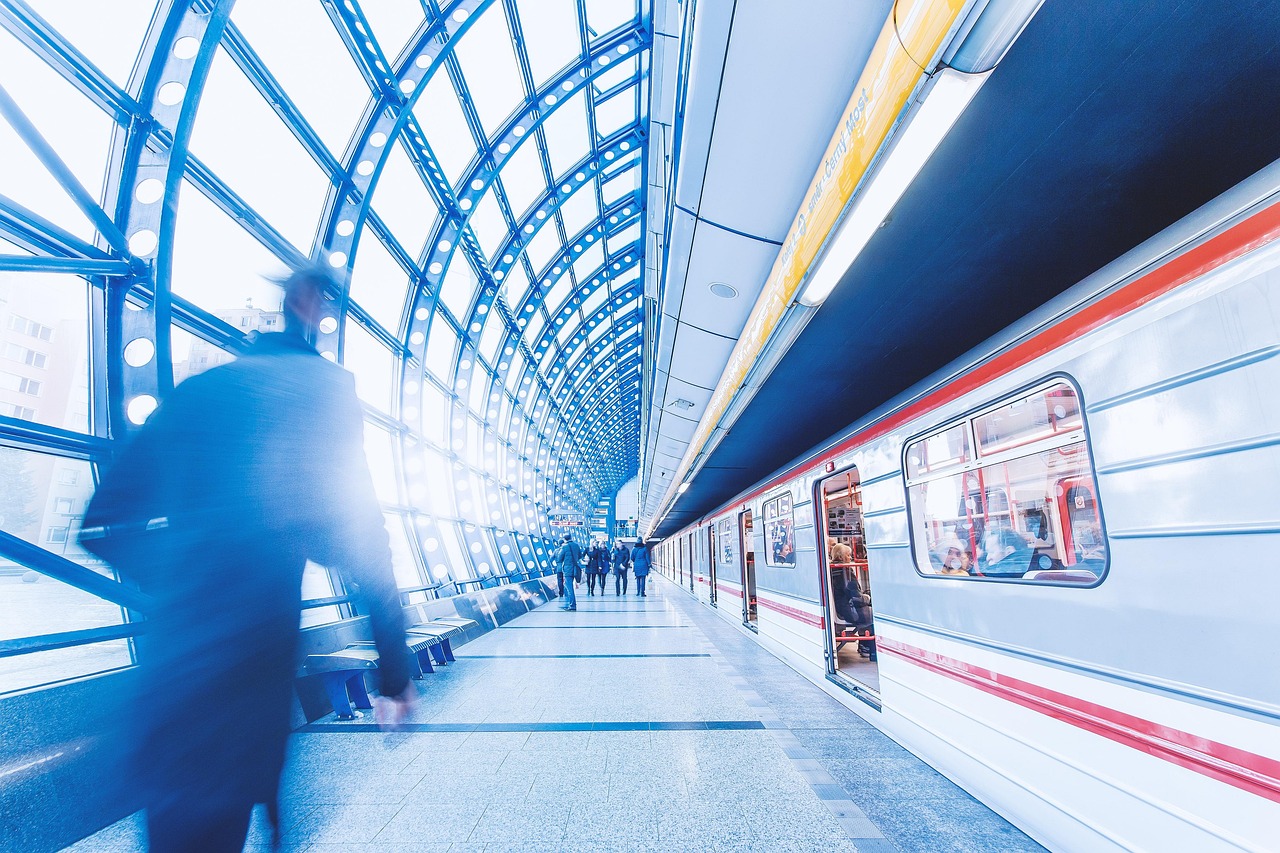
Public transportation is a popular commuting solution, offering an affordable and relatively efficient way to travel. This mode of transportation includes buses, trains, and subways, which are often operated by local governments or private companies.
- Strengths:
- Affordability: Public transportation is generally cheaper than driving a personal vehicle.
- Environmental benefits: Public transportation reduces the number of vehicles on the road, resulting in lower emissions and a smaller carbon footprint.
- Convenience: Public transportation often operates on a fixed schedule, making it easy to plan commutes in advance.
- What Needs Work:
- Reliability: Public transportation can be unreliable, with delays and cancellations affecting commute times.
- Comfort: Public transportation can be crowded and uncomfortable, especially during peak hours.
2. Carpooling and Ride-Sharing
Carpooling and ride-sharing have become increasingly popular commuting solutions, offering a convenient and cost-effective way to travel. These services involve sharing a vehicle with others, reducing the number of cars on the road and the associated emissions.
- Strengths:
- Cost savings: Carpooling and ride-sharing can significantly reduce fuel costs and tolls.
- Environmental benefits: By reducing the number of vehicles on the road, carpooling and ride-sharing help decrease emissions and promote sustainability.
- Social benefits: Carpooling and ride-sharing provide an opportunity to meet new people and build relationships.
- What Needs Work:
- Coordination: Carpooling and ride-sharing require coordination and planning, which can be time-consuming and inconvenient.
- Reliability: The reliability of carpooling and ride-sharing services can be affected by factors such as traffic and vehicle maintenance.
| Commuting Mode | Average Commute Time | Environmental Impact |
|---|---|---|
| Driving | 30-60 minutes | High |
| Public Transportation | 30-90 minutes | Low-Moderate |
| Carpooling and Ride-Sharing | 30-60 minutes | Moderate |
Why This Matters to You
✔ Reduced Stress
Choosing the right commuting solution can significantly reduce stress levels, resulting in improved overall well-being and productivity.
✔ Environmental Benefits
Opting for environmentally friendly commuting solutions, such as public transportation or carpooling, can help decrease emissions and promote sustainability.
✔ Cost Savings
Commuting solutions like carpooling and ride-sharing can offer significant cost savings, reducing fuel costs and tolls.
✔ Increased Productivity
A well-planned commute can provide opportunities for productivity, such as reading or working during travel time.
✔ Improved Work-Life Balance
A suitable commuting solution can help achieve a better work-life balance, allowing for more time with family and friends.
✔ Health Benefits
Walking or cycling to work can provide numerous health benefits, including improved cardiovascular health and reduced risk of chronic diseases.
How This Will Evolve
- Increased investment in public transportation infrastructure, leading to more efficient and reliable services.
- Growing adoption of electric and hybrid vehicles, reducing emissions and promoting sustainability.
- Expansion of carpooling and ride-sharing services, offering more convenient and cost-effective commuting solutions.
- Development of smart traffic management systems, reducing congestion and commute times.
- Introduction of new commuting technologies, such as hyperloop systems and autonomous vehicles, revolutionizing the way people travel.
- Greater emphasis on pedestrian-friendly and cyclist-friendly infrastructure, promoting active transportation and reducing reliance on personal vehicles.
The Big Picture
Commuting is a complex issue that affects individuals, communities, and the environment. By understanding the intricacies of commuting and making informed decisions about travel routines, people can reduce their environmental footprint, improve their quality of life, and promote sustainability. As commuting continues to evolve, it is essential to prioritize innovative solutions, investment in infrastructure, and education to create a better future for all.
Effective commuting solutions can have far-reaching benefits, from reducing stress and improving productivity to promoting environmental sustainability and social connections. By acknowledging the importance of commuting and working together to address its challenges, individuals and communities can create a more livable, sustainable, and connected world.