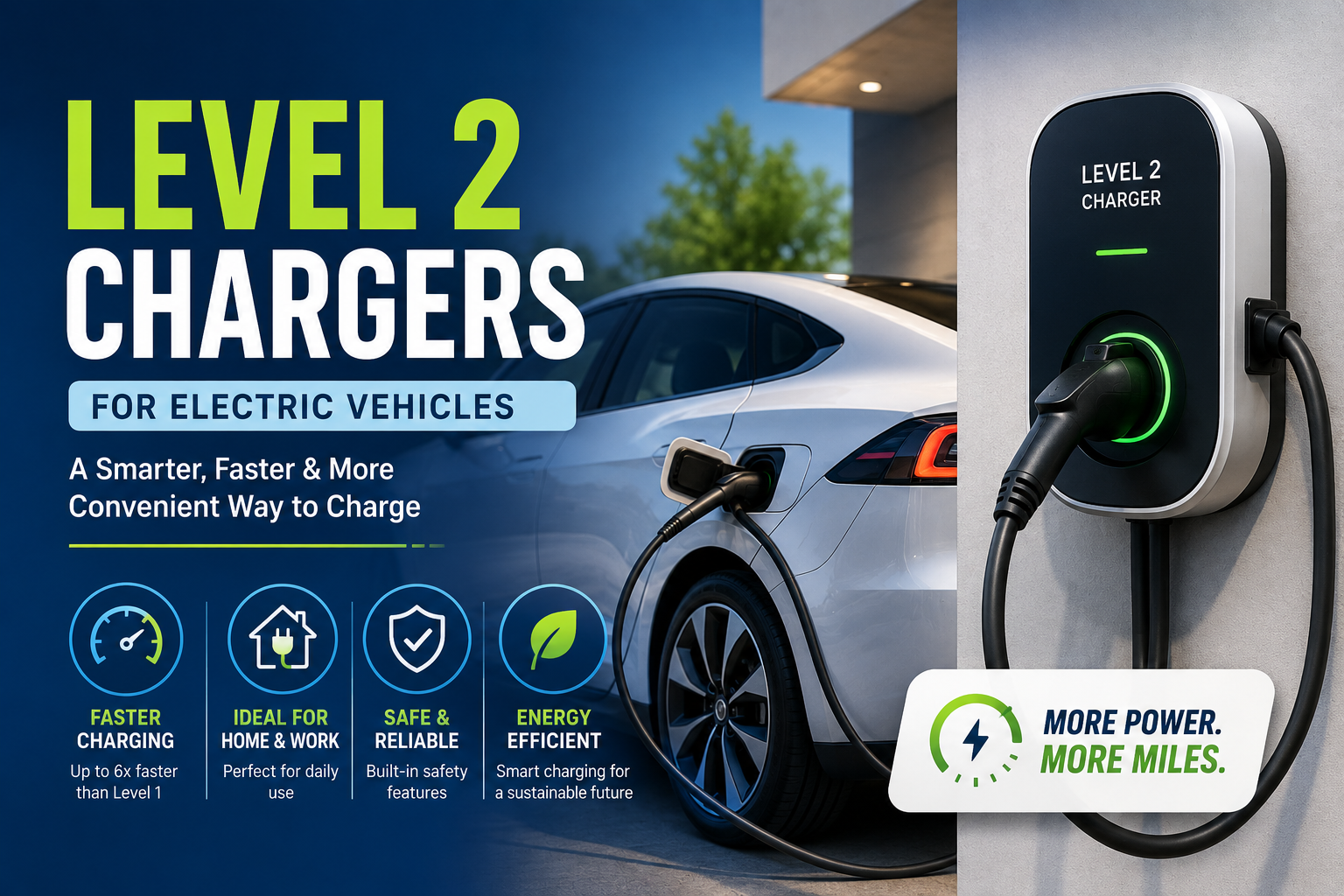
In the past, electric vehicle owners had to wait for hours to fully charge their cars, but with the advent of Level 2 chargers, this wait time has been significantly reduced. Today, Level 2 chargers can charge electric vehicles up to 5 times faster than traditional Level 1 chargers. The increased efficiency of Level 2 chargers has made electric vehicle ownership more practical and convenient. As technology continues to advance, the demand for Level 2 chargers is on the rise.
A Closer Look at Level 2 Chargers
A Level 2 charger is a type of electric vehicle charger that uses a 240-volt electrical connection to charge vehicles. This type of charger is commonly used for residential and commercial charging stations. Level 2 chargers are designed to provide faster charging speeds, typically between 12 and 80 miles of range per hour of charging. This makes them ideal for daily driving and for those who need to charge their vehicles quickly.
Latest Level 2 Charger Technologies
1. Smart Charging Systems
Smart charging systems are a type of Level 2 charger that uses advanced technology to optimize charging efficiency. These systems can communicate with the vehicle and the electrical grid to determine the best time to charge the vehicle. This can help reduce energy costs and minimize the strain on the electrical grid.
- What You Gain:
- Faster charging speeds
- Increased efficiency
- Reduced energy costs
- What Needs Work:
- Higher upfront costs
- Requires advanced infrastructure
2. Wi-Fi Enabled Chargers
Wi-Fi enabled chargers are a type of Level 2 charger that can connect to the internet and communicate with the vehicle and the charging network. This allows for remote monitoring and control of the charging station, making it easier to manage and optimize charging.
- What You Gain:
- Remote monitoring and control
- Ability to schedule charging sessions
- Access to charging data and analytics
- What Needs Work:
- Security concerns with Wi-Fi connectivity
- Dependence on internet connection
| Charger Type | Charging Speed | Cost |
|---|---|---|
| Level 1 | 3-5 miles per hour | $300-$500 |
| Level 2 | 12-80 miles per hour | $500-$2,000 |
| DC Fast Charger | 60-100 miles per 30 minutes | $10,000-$50,000 |
Practical Takeaways
✔ Faster Charging Speeds
Level 2 chargers can charge electric vehicles up to 5 times faster than traditional Level 1 chargers, making them ideal for daily driving and for those who need to charge their vehicles quickly.
✔ Increased Efficiency
Level 2 chargers are designed to provide faster charging speeds and increased efficiency, making them a more practical and convenient option for electric vehicle owners.
✔ Reduced Energy Costs
Level 2 chargers can help reduce energy costs by optimizing charging efficiency and minimizing the strain on the electrical grid.
✔ Smart Charging Systems
Smart charging systems can communicate with the vehicle and the electrical grid to determine the best time to charge the vehicle, reducing energy costs and minimizing the strain on the electrical grid.
✔ Wi-Fi Enabled Chargers
Wi-Fi enabled chargers can connect to the internet and communicate with the vehicle and the charging network, making it easier to manage and optimize charging.
How This Will Evolve
- Increased adoption of Level 2 chargers in residential and commercial settings
- Advancements in smart charging systems and Wi-Fi enabled chargers
- Development of faster and more efficient charging technologies
- Expansion of charging infrastructure to support widespread adoption of electric vehicles
- Integration of Level 2 chargers with renewable energy sources and energy storage systems
- Standardization of charging protocols and communication systems
What It All Means
The increasing demand for Level 2 chargers is driving innovation and advancements in electric vehicle charging technology. As the technology continues to evolve, it is likely that Level 2 chargers will become even faster, more efficient, and more convenient. This will have a significant impact on the adoption of electric vehicles and the overall transition to a more sustainable transportation system.