Most people are unaware of the full potential of regenerative braking, often misunderstanding its purpose and benefits. Regenerative braking is not just a feature of electric and hybrid vehicles, but a technology that can significantly improve fuel efficiency and reduce emissions. However, many individuals are unsure about how it works and how to use it effectively. As a result, they often fail to maximize its benefits, leading to reduced performance and efficiency. The lack of understanding about regenerative braking can also lead to misconceptions about its limitations and capabilities.
The Basics of Regenerative Braking
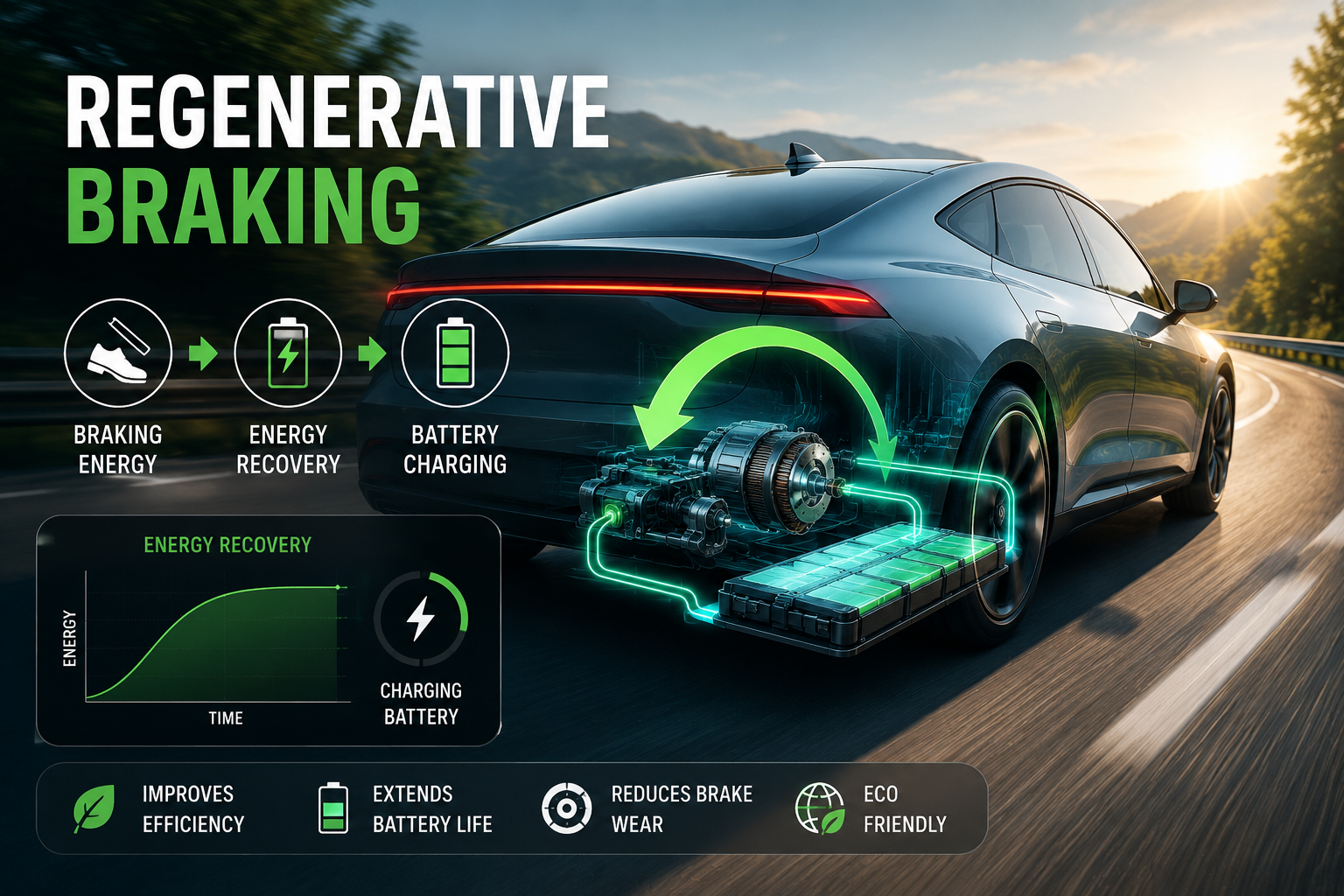
Regenerative braking is a technology that captures the kinetic energy generated by a vehicle’s movement and converts it into electrical energy, which is then stored in a battery for later use. This process occurs when the vehicle is decelerating, such as when the driver takes their foot off the accelerator or presses the brake pedal. The regenerative braking system uses an electric motor as a generator to produce electricity, which is then fed back into the battery, reducing the strain on the vehicle’s engine and improving overall efficiency.
Key Regenerative Braking Advancements
1. Electric Motor Technology
The development of advanced electric motor technology has played a significant role in improving regenerative braking systems. Modern electric motors are more efficient, compact, and reliable, allowing for more effective energy capture and conversion. This has led to increased adoption of regenerative braking in various types of vehicles, from hybrid cars to electric buses.
- Key Benefits:
- Improved fuel efficiency
- Reduced emissions
- Enhanced vehicle performance
- What Needs Work:
- Higher upfront costs
- Limited battery capacity
- Complex system integration
2. Battery Management Systems
Battery management systems (BMS) have become increasingly sophisticated, enabling more efficient and safe operation of regenerative braking systems. A BMS monitors and controls the battery’s state of charge, voltage, and temperature, ensuring optimal performance and preventing damage.
- Key Benefits:
- Improved battery lifespan
- Enhanced safety features
- Increased system reliability
- What Needs Work:
- Higher system complexity
- Increased costs
- Limited standardization
| Vehicle Type | Regenerative Braking System | Benefits |
|---|---|---|
| Hybrid Cars | Electric motor-assisted regenerative braking | Improved fuel efficiency, reduced emissions |
| Electric Buses | Advanced regenerative braking with energy storage | Increased range, reduced operating costs |
What This Means in Practice
✔ Improved Fuel Efficiency
Regenerative braking can significantly improve a vehicle’s fuel efficiency, especially in urban driving conditions where frequent stopping and starting occur. By recovering kinetic energy and converting it into electrical energy, regenerative braking reduces the strain on the engine, resulting in lower fuel consumption.
✔ Reduced Emissions
Regenerative braking also contributes to reduced emissions, as it minimizes the amount of energy required to propel the vehicle. This leads to lower greenhouse gas emissions and a decrease in air pollution, making regenerative braking an attractive feature for environmentally conscious drivers.
✔ Enhanced Vehicle Performance
Regenerative braking can enhance a vehicle’s performance by providing a smoother and more responsive driving experience. The instant torque provided by the electric motor helps to improve acceleration, while the regenerative braking system ensures a more stable and controlled deceleration.
✔ Increased Driver Safety
Regenerative braking can also improve driver safety by providing an additional layer of control during emergency braking situations. The system’s ability to rapidly recover kinetic energy and convert it into electrical energy helps to reduce stopping distances, minimizing the risk of accidents.
✔ Lower Maintenance Costs
Regenerative braking can lead to lower maintenance costs, as the system reduces wear and tear on the vehicle’s brakes. By recovering kinetic energy and converting it into electrical energy, regenerative braking minimizes the need for traditional braking, resulting in extended brake pad life and reduced maintenance requirements.
Where This Is Headed
- Increased adoption of regenerative braking in various vehicle types, including trucks and buses
- Advancements in electric motor technology, leading to improved efficiency and reduced costs
- Integration of regenerative braking with other advanced technologies, such as autonomous driving systems
- Development of more efficient battery management systems, enabling longer ranges and faster charging times
- Growing demand for regenerative braking systems in emerging markets, driven by government incentives and environmental regulations
- Continuous improvement in regenerative braking system design, resulting in more compact and reliable components
Closing Thoughts
Regenerative braking is a vital component of modern electric and hybrid vehicles, offering numerous benefits, including improved fuel efficiency, reduced emissions, and enhanced vehicle performance. As the technology continues to evolve, it is likely to play an increasingly important role in the development of sustainable transportation solutions. With its potential to minimize environmental impact and reduce operating costs, regenerative braking is an essential feature for drivers seeking a more efficient and responsible driving experience.
Overall, regenerative braking has come a long way since its inception, and its future looks promising. As researchers and manufacturers continue to push the boundaries of this technology, it is likely that regenerative braking will become an integral part of the automotive industry, transforming the way vehicles are designed, built, and driven.