70% of the world’s energy consumption is attributed to industrial and residential sectors, highlighting the need for a shift towards green energy. This significant percentage underscores the importance of transitioning to renewable energy sources to mitigate climate change and ensure a sustainable future. The integration of green energy into daily life is becoming increasingly prevalent, with many individuals and organizations investing in solar panels, wind turbines, and other eco-friendly technologies. However, despite the benefits of green energy, there are common mistakes that can hinder its effectiveness and efficiency.
The Basics of Green Energy
Green energy refers to the use of renewable energy sources, such as solar, wind, hydro, and geothermal power, to generate electricity, heat, and fuel. These energy sources are sustainable, non-polluting, and abundant, making them an attractive alternative to fossil fuels. The basics of green energy involve understanding the different types of renewable energy sources, their applications, and the technologies used to harness them. By grasping these fundamental concepts, individuals and organizations can make informed decisions about adopting green energy solutions.
Core Green Energy Approaches
1. Solar Energy
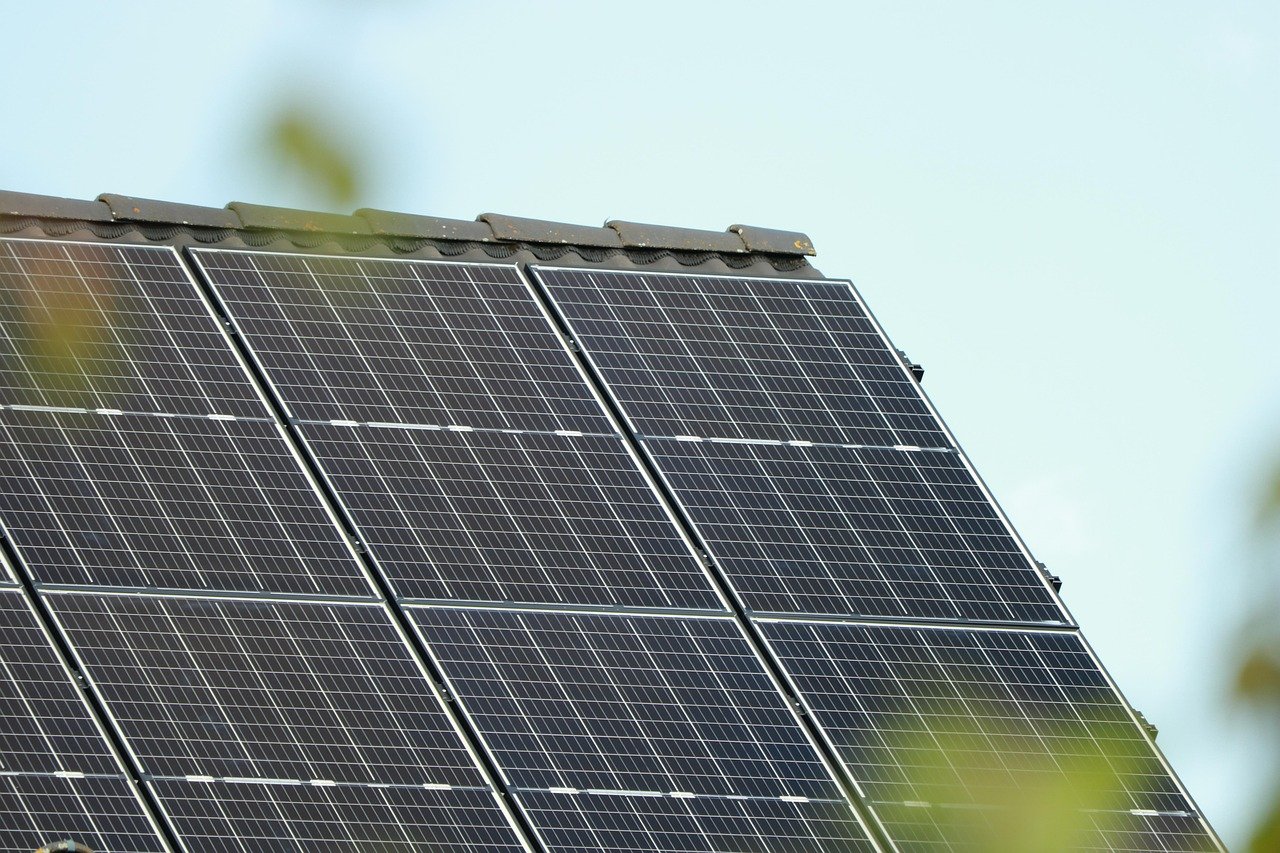
Solar energy is one of the most popular forms of green energy, involving the use of photovoltaic (PV) panels to convert sunlight into electricity. The advantages of solar energy include its abundance, zero emissions, and low maintenance requirements. However, there are also some drawbacks to consider, such as the high upfront costs and intermittent energy supply.
- Advantages:
- Abundant and renewable energy source
- Zero emissions or pollution
- Low maintenance requirements
- Drawbacks:
- High upfront costs
- Intermittent energy supply
- Dependence on weather conditions
2. Wind Energy
Wind energy involves the use of wind turbines to generate electricity from wind power. The advantages of wind energy include its high energy output, low operating costs, and minimal environmental impact. However, there are also some drawbacks to consider, such as the noise pollution, visual impact, and limited geographical suitability.
- Advantages:
- High energy output
- Low operating costs
- Minimal environmental impact
- Drawbacks:
- Noise pollution
- Visual impact
- Limited geographical suitability
| Energy Source | Cost per kWh | Emissions per kWh |
|---|---|---|
| Solar Energy | $0.05-0.15 | 0 g CO2 |
| Wind Energy | $0.04-0.12 | 0 g CO2 |
| Hydro Energy | $0.01-0.05 | 0 g CO2 |
What This Means in Practice
The implications of green energy mistakes can be significant, ranging from reduced efficiency and increased costs to environmental damage and health risks. To avoid these pitfalls, it is essential to understand the common mistakes and take proactive measures to prevent them. Some key considerations include:
✔ Conducting thorough feasibility studies
Before investing in green energy technologies, it is crucial to conduct thorough feasibility studies to determine the suitability of the location, energy source, and technology. This involves assessing factors such as energy demand, resource availability, and environmental impact.
✔ Ensuring proper installation and maintenance
Proper installation and maintenance are critical to the efficient and safe operation of green energy systems. This includes regular cleaning, inspection, and repair of equipment, as well as training personnel on operation and maintenance procedures.
✔ Monitoring energy output and performance
Monitoring energy output and performance is essential to identify areas for improvement and optimize system efficiency. This involves tracking energy production, consumption, and storage, as well as analyzing data to inform maintenance and upgrade decisions.
✔ Implementing energy storage solutions
Energy storage solutions, such as batteries, can help mitigate the intermittency of renewable energy sources and ensure a stable energy supply. This involves selecting suitable storage technologies, sizing systems correctly, and integrating them with existing infrastructure.
✔ Engaging with local communities and stakeholders
Engaging with local communities and stakeholders is vital to ensure the social and environmental sustainability of green energy projects. This involves consulting with local residents, addressing concerns, and providing education and training on the benefits and risks of green energy technologies.
The Next 5 Years
The next five years will be critical for the development and adoption of green energy technologies. Some predictions for the future of green energy include:
- Increased investment in renewable energy sources, driven by declining costs and improving technologies
- Growing demand for energy storage solutions, as the intermittency of renewable energy sources becomes a major challenge
- Expansion of green energy into new markets and industries, such as transportation and agriculture
- Development of new green energy technologies, such as floating wind turbines and advanced solar panels
- Greater emphasis on energy efficiency and conservation, as the importance of reducing energy waste becomes more apparent
- Increased focus on the social and environmental sustainability of green energy projects, as concerns about equity and justice grow
The Bottom Line
The transition to green energy is a complex and challenging process, but one that is essential for a sustainable future. By understanding the common mistakes and taking proactive measures to avoid them, individuals and organizations can ensure the efficient, safe, and environmentally responsible adoption of green energy technologies. The benefits of green energy, including reduced emissions, improved air quality, and enhanced energy security, make it a crucial investment for the future of our planet.