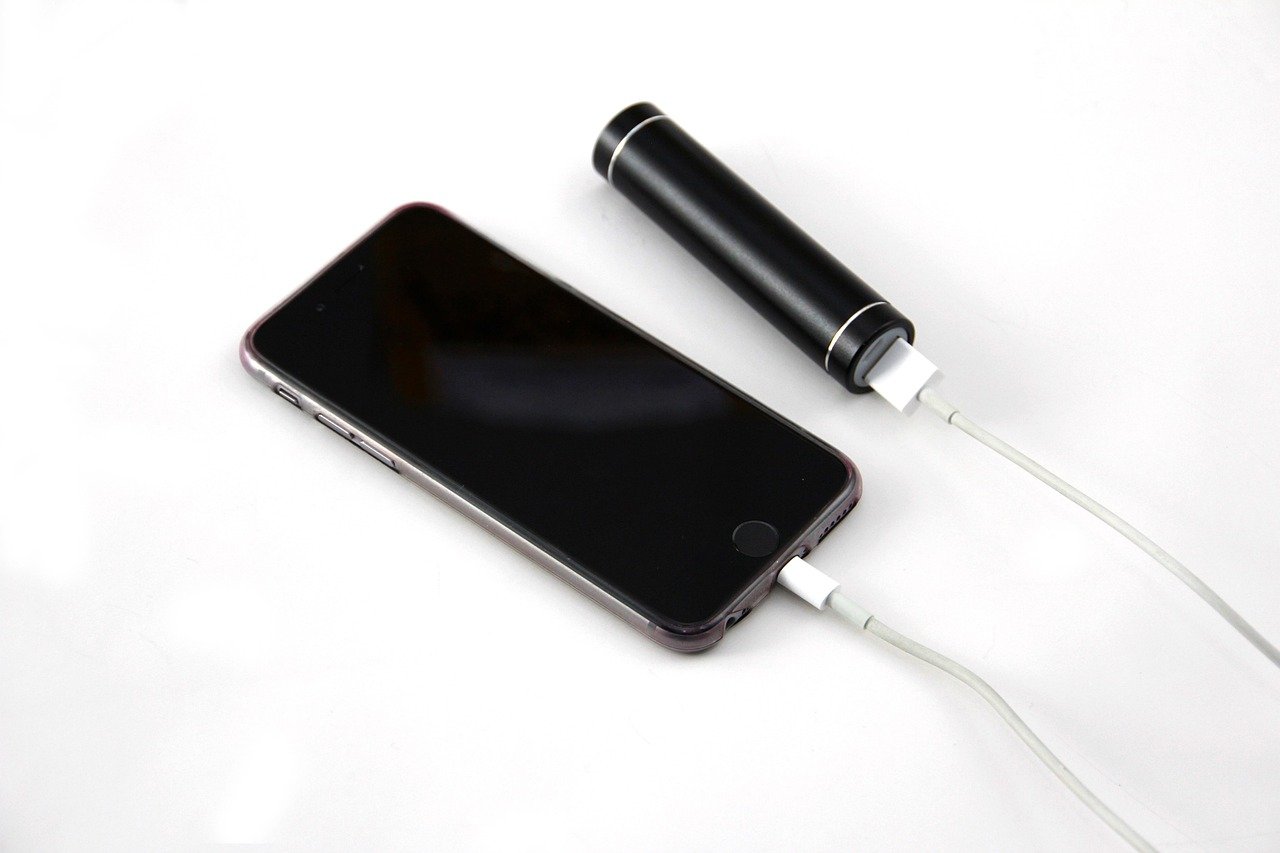
It is commonly assumed that fast charging is a feature exclusive to high-end devices, but the reality is that fast charging technology has become increasingly accessible across various price segments. This shift has been driven by advancements in battery technology and charging circuitry. As a result, fast charging has become a standard feature in many modern devices. Fast charging technology has evolved significantly over the years, with various companies developing their own proprietary fast charging standards.
What Does Fast Charger Mean?
A fast charger, in simple terms, is a charger that can charge a device’s battery at a faster rate than a standard charger. This is achieved through various technological advancements, including increased voltage, improved charging circuitry, and enhanced battery design. Fast chargers can charge devices up to 80% in under 30 minutes, significantly reducing the overall charging time. The working of a fast charger involves negotiating with the device to determine the maximum amount of power that can be safely drawn, thereby accelerating the charging process without compromising the battery’s health.
Core Fast Charger Approaches
1. VOOC Charging
VOOC (Voltage Open Loop Multi-Step Constant-Current Charging) is a fast charging technology developed by Oppo. It uses a unique charging algorithm that dynamically regulates the charging voltage and current. This approach allows for faster charging while maintaining battery safety.
- Strengths:
- High charging speeds without overheating
- Automatically adjusts charging parameters for optimal performance
- Widely adopted across various Oppo and Realme devices
2. Quick Charge
Quick Charge is a fast charging standard developed by Qualcomm. It operates by increasing the voltage levels during charging, allowing devices to replenish their batteries quickly. Quick Charge has evolved through several generations, each offering improved charging speeds and efficiency.
- Strengths:
- Supports higher voltage levels for faster charging
- Backward compatible with standard USB chargers
- Adopted by a wide range of devices from multiple manufacturers
- Current Limitations:
- Requires both the device and charger to support Quick Charge
- May not be as fast as some proprietary fast charging standards
| Technology | Charging Speed | Compatibility |
|---|---|---|
| VOOC | Up to 30W | Oppo and Realme devices |
| Quick Charge | Up to 18W | Wide range of Qualcomm-based devices |
Why People Are Paying Attention
✔ Convenience
Fast chargers offer the convenience of quickly replenishing a device’s battery, making them ideal for individuals with busy lifestyles.
✔ Increased Productivity
With fast charging, devices can be ready for use in a shorter amount of time, thereby increasing productivity and reducing downtime.
✔ Compatibility and Adoption
Fast charging technologies are being widely adopted across various devices and manufacturers, making them more accessible to a broader audience.
✔ Battery Health
Modern fast charging technologies prioritize battery health, ensuring that devices are charged quickly without compromising the longevity of the battery.
✔ Future-Proofing
Investing in fast charging technology future-proofs devices, as it prepares them for potential future advancements in charging speeds and efficiency.
✔ Environmental Benefits
By reducing the need for multiple chargers and promoting the use of higher efficiency chargers, fast charging can contribute to a more sustainable environment.
What’s Coming
- Advancements in wireless charging technology to match or surpass wired charging speeds
- Increased adoption of gallium nitride (GaN) chargers for higher efficiency and compact designs
- Further improvements in fast charging algorithms to enhance safety and speed
- Integration of fast charging technology into more affordable devices
- Development of new materials and technologies to improve battery capacity and charging efficiency
- Standardization of fast charging protocols across the industry for better compatibility
Key Takeaways
Fast charging technology has become an essential feature in modern devices, offering significant reductions in charging time without compromising battery health. The evolution of fast charging standards and technologies continues to shape the industry, with ongoing advancements promising even faster, more efficient, and widely compatible charging solutions. As the demand for faster charging continues to grow, it is expected that future devices will incorporate even more advanced charging technologies, further enhancing user convenience and productivity.