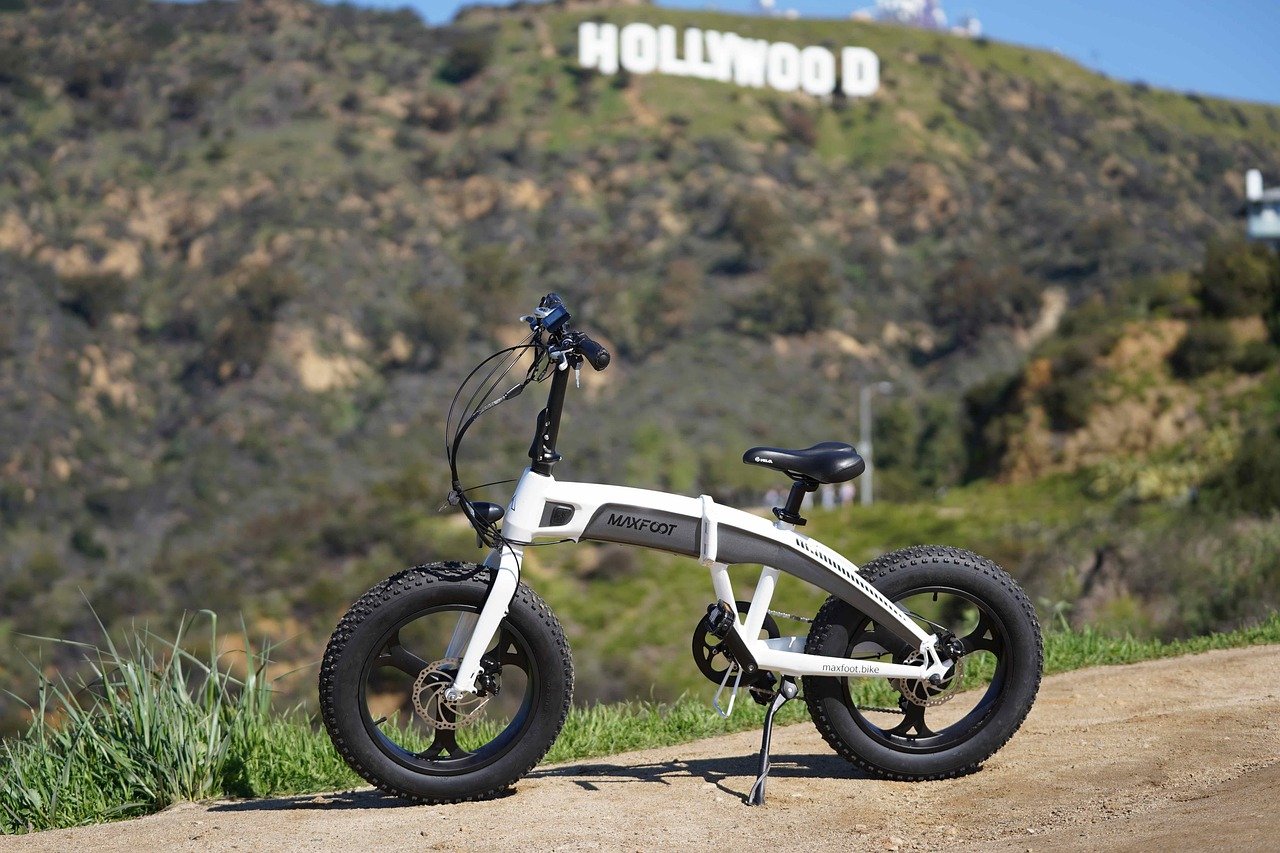
In the past, commuting in urban areas was often associated with traffic congestion, pollution, and frustration. However, with the advent of e-bikes, the scenario has changed dramatically. Today, e-bikes are a common sight in cities worldwide, offering a cleaner, healthier, and more efficient mode of transportation. For instance, cities like Copenhagen and Amsterdam have witnessed a significant surge in e-bike adoption, with many residents opting for e-bikes over traditional vehicles.
Moreover, e-bikes have also become a popular choice among recreational cyclists, providing an effortless and enjoyable riding experience. The integration of advanced technology, such as electric motors and lithium-ion batteries, has enabled e-bikes to cater to diverse needs and preferences. As a result, e-bikes have transformed the way people commute, exercise, and explore urban areas.
Understanding E-Bikes
An e-bike, short for electric bicycle, is a bicycle equipped with an electric motor and a battery. The electric motor assists the rider’s pedaling, making it easier to ride, especially in hilly or mountainous terrain. E-bikes are designed to provide a sustainable, eco-friendly, and efficient mode of transportation, offering numerous benefits, including reduced carbon emissions, lower operating costs, and improved health and fitness.
Core E-Bike Approaches
1. Commuter E-Bikes
Commuter e-bikes are designed for daily commuting, providing a reliable and efficient mode of transportation. These e-bikes often feature a sturdy frame, comfortable saddle, and essential accessories, such as lights, fenders, and a rear rack.
- Key Benefits:
- Reduced traffic congestion and parking headaches
- Lower operating costs compared to traditional vehicles
- Improved health and fitness due to regular exercise
- What Needs Work:
- Limited range and battery life
- Higher upfront costs compared to traditional bicycles
2. Recreational E-Bikes
Recreational e-bikes are designed for leisure and entertainment, offering an enjoyable and effortless riding experience. These e-bikes often feature a lightweight frame, comfortable saddle, and advanced accessories, such as suspension forks and hydraulic disc brakes.
- Key Benefits:
- Effortless riding experience, ideal for beginners or seniors
- Improved confidence and stability on varied terrain
- Enhanced recreational experience, allowing riders to explore new areas
- What Needs Work:
- Limited availability of dedicated e-bike trails and infrastructure
- Potential for over-reliance on electric assistance, reducing physical activity
| E-Bike Model | Range (miles) | Top Speed (mph) | Price (USD) |
|---|---|---|---|
| Xiaomi Mi M365 | 18.6 | 15.5 | 399 |
| VanMoof Electrified S2 | 37 | 20 | 1,998 |
| Cobalt Cube Reaction Hybrid | 60 | 25 | 2,499 |
Why People Are Paying Attention
✔ Environmentally Friendly
E-bikes produce zero emissions, reducing carbon footprint and contributing to a cleaner environment.
✔ Cost-Effective
E-bikes offer lower operating costs compared to traditional vehicles, with reduced fuel consumption and minimal maintenance requirements.
✔ Improved Health and Fitness
E-bikes provide an opportunity for regular exercise, improving cardiovascular health, reducing stress, and enhancing overall well-being.
✔ Increased Mobility
E-bikes enable people to explore new areas, commute to work, and engage in recreational activities with ease and convenience.
✔ Technological Advancements
Advances in technology have led to the development of high-performance e-bikes, featuring advanced motors, batteries, and accessories.
✔ Government Incentives
Many governments offer incentives, such as tax credits and subsidies, to encourage the adoption of e-bikes and promote sustainable transportation.
Where This Is Headed
- Increased adoption of e-bikes in urban areas, driven by growing environmental concerns and traffic congestion
- Development of advanced e-bike technologies, such as improved battery life and autonomous features
- Expansion of e-bike sharing services and rental programs, enhancing accessibility and convenience
- Integration of e-bikes with public transportation systems, promoting seamless and efficient commutes
- Growing investment in e-bike infrastructure, including dedicated bike lanes and charging stations
- Emergence of new business models, such as e-bike subscription services and peer-to-peer rentals
Closing Thoughts
E-bikes have transformed the way people commute, exercise, and explore urban areas, offering a sustainable, efficient, and enjoyable mode of transportation. As technology continues to advance and infrastructure improves, e-bikes are likely to play an increasingly important role in shaping the future of urban mobility.
With their numerous benefits and minimal drawbacks, e-bikes are an attractive option for those seeking a cleaner, healthier, and more efficient mode of transportation.
As the world becomes increasingly urbanized, e-bikes are poised to revolutionize the way people live, work, and interact with their surroundings.