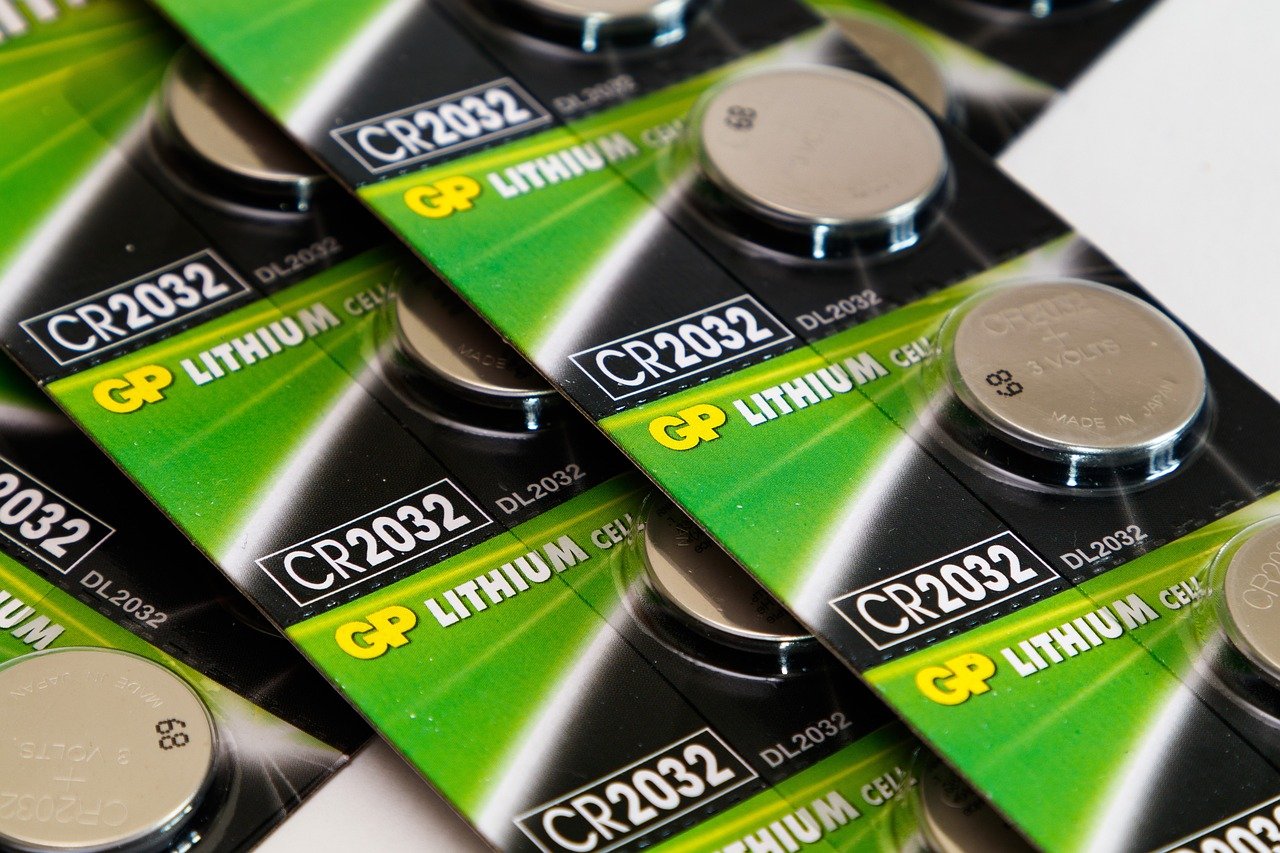
Lithium-ion batteries have undergone significant transformations over the years, evolving from a nascent technology to a mature industry. Prior to their development, energy storage solutions were limited, with lead-acid batteries being the primary option. However, with the advent of lithium-ion batteries, the energy storage landscape has changed dramatically, enabling the widespread adoption of portable electronics and electric vehicles. Today, lithium-ion batteries power a vast array of devices, from smartphones to laptops, and have become an integral part of modern life.
The impact of lithium-ion batteries can be seen in various aspects of daily life, from the way people communicate to the way they travel. The proliferation of lithium-ion batteries has also led to significant advancements in renewable energy systems, enabling the efficient storage of solar and wind power. As the world continues to transition towards a more sustainable future, the role of lithium-ion batteries is expected to become even more critical.
The development of lithium-ion batteries has also had a profound impact on the environment, reducing greenhouse gas emissions and mitigating climate change. With the increasing demand for energy storage solutions, researchers and manufacturers are continually working to improve the performance, efficiency, and sustainability of lithium-ion batteries. This article provides an in-depth examination of lithium-ion batteries, exploring their definition, core approaches, and emerging directions.
Breaking Down Lithium-ion Batteries
Lithium-ion batteries are a type of rechargeable battery that uses lithium ions to store energy. They consist of three primary components: a positive electrode (cathode), a negative electrode (anode), and an electrolyte. The cathode is typically made of lithium cobalt oxide, while the anode is made of graphite. The electrolyte is a lithium salt dissolved in an organic solvent, which facilitates the flow of lithium ions between the electrodes. When a lithium-ion battery is charged, lithium ions move from the cathode to the anode, allowing the battery to store energy.
Core Lithium-ion Approaches
1. Lithium Cobalt Oxide (LCO) Approach
The Lithium Cobalt Oxide (LCO) approach is one of the most common methods used in lithium-ion batteries. This approach involves using lithium cobalt oxide as the cathode material, which provides high energy density and long cycle life. The LCO approach is widely used in portable electronics, such as smartphones and laptops, due to its high performance and relatively low cost.
- Strengths:
- High energy density
- Long cycle life
- High discharge rate capability
- Known Issues:
- High cost
- Toxicity concerns
- Limited thermal stability
2. Lithium Iron Phosphate (LFP) Approach
The Lithium Iron Phosphate (LFP) approach is another popular method used in lithium-ion batteries. This approach involves using lithium iron phosphate as the cathode material, which provides high safety, low toxicity, and relatively low cost. The LFP approach is widely used in electric vehicles and renewable energy systems due to its high performance, safety, and sustainability.
- Strengths:
- High safety
- Low toxicity
- Relatively low cost
- Known Issues:
- Lower energy density compared to LCO
- Lower discharge rate capability
- Higher self-discharge rate
| Approach | Energy Density | Cycle Life | Discharge Rate Capability |
|---|---|---|---|
| LCO | 150-200 Wh/kg | 500-1000 cycles | 5-10C |
| LFP | 100-150 Wh/kg | 1000-2000 cycles | 2-5C |
Why People Are Paying Attention
✔ High Energy Density
Lithium-ion batteries offer high energy density, allowing devices to be powered for extended periods. This has led to the widespread adoption of portable electronics and electric vehicles.
✔ Long Cycle Life
Lithium-ion batteries have a long cycle life, enabling them to be charged and discharged numerous times. This has reduced the need for frequent battery replacements, making lithium-ion batteries a cost-effective option.
✔ High Discharge Rate Capability
Lithium-ion batteries have a high discharge rate capability, allowing them to provide high power output. This has enabled the use of lithium-ion batteries in high-performance applications, such as electric vehicles and renewable energy systems.
✔ Low Self-Discharge Rate
Lithium-ion batteries have a low self-discharge rate, allowing them to retain their charge for extended periods. This has made lithium-ion batteries a popular choice for applications where batteries are not frequently used.
✔ Environmentally Friendly
Lithium-ion batteries are environmentally friendly, as they do not contain toxic materials like lead or mercury. This has made lithium-ion batteries a popular choice for applications where environmental sustainability is a concern.
✔ Cost-Effective
Lithium-ion batteries are cost-effective, as they have a long cycle life and do not require frequent replacements. This has made lithium-ion batteries a popular choice for applications where cost is a concern.
Emerging Directions
- Advances in cathode materials, such as the development of new lithium-rich cobalt oxide materials
- Improvements in anode materials, such as the use of silicon-based anodes
- Development of solid-state electrolytes, which could enhance safety and energy density
- Increased use of lithium-ion batteries in renewable energy systems, such as solar and wind power
- Growing demand for lithium-ion batteries in electric vehicles, driven by government regulations and declining battery costs
- Emergence of new battery technologies, such as lithium-air and sodium-ion batteries, which could potentially replace lithium-ion batteries in the future
Wrapping Up
Lithium-ion batteries have revolutionized the way devices are powered, offering numerous advantages over traditional battery technologies. As the world continues to transition towards a more sustainable future, the role of lithium-ion batteries is expected to become even more critical. With ongoing research and development, lithium-ion batteries are likely to continue to improve in terms of performance, efficiency, and sustainability, enabling new applications and use cases to emerge.
The future of lithium-ion batteries looks promising, with emerging directions and new technologies on the horizon. As the demand for energy storage solutions continues to grow, lithium-ion batteries are likely to remain a key player in the industry, driving innovation and transformation in the years to come.
Overall, lithium-ion batteries have come a long way since their inception, and their impact on modern society has been significant. As the world continues to evolve and change, it will be exciting to see how lithium-ion batteries adapt and improve to meet the growing demand for energy storage solutions.