Commuting is gaining attention right now due to the increasing trend of urbanization and the resulting environmental concerns. Millions of people worldwide are affected by commuting, with impacts on their health, productivity, and the environment. As cities continue to grow, the need for efficient and sustainable commuting strategies becomes more pressing. Furthermore, the rise of remote work has altered traditional commuting patterns, leading to a shift in how people travel to and from work.
The Basics of Commuting
Commuting refers to the regular travel between home and work or school, often involving the use of public or private transportation. It is a vital aspect of daily life, with various strategies and modes of transportation available. Effective commuting strategies can improve health, productivity, and the environment, while inefficient commuting can lead to decreased quality of life, increased air pollution, and negative impacts on mental and physical health.
Latest Commuting Technologies
1. Electric Vehicles
Electric vehicles are becoming increasingly popular as a mode of commuting, offering a sustainable and environmentally friendly alternative to traditional gasoline-powered cars. Electric vehicles produce zero tailpipe emissions, reducing air pollution and greenhouse gas emissions.
- Why It Works:
- Zero tailpipe emissions, reducing air pollution and greenhouse gas emissions
- Lower operating costs, with reduced fuel and maintenance expenses
- Smooth and quiet ride, improving the overall commuting experience
- What Needs Work:
- High upfront costs, making electric vehicles less accessible to some consumers
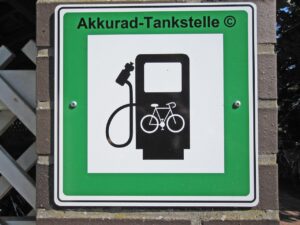
- Limited charging infrastructure, creating range anxiety and inconvenience
- Battery durability and recycling, requiring further research and development
2. Public Transportation Systems
Public transportation systems, such as buses and trains, are a common mode of commuting, offering a convenient and affordable way to travel. Public transportation systems can reduce traffic congestion, air pollution, and greenhouse gas emissions.
- Why It Works:
- Convenient and affordable, with extensive route networks and frequent departures
- Reduced traffic congestion, decreasing travel time and improving air quality
- Social benefits, providing opportunities for social interaction and community building
- What Needs Work:
- Limited coverage, with some areas lacking public transportation options
- Unreliable schedules, creating inconvenience and frustration for commuters
- Crowding and discomfort, detracting from the overall commuting experience
| Mode of Transportation | Environmental Impact | Cost | Convenience |
|---|---|---|---|
| Electric Vehicles | Low | High | High |
| Public Transportation | Low | Low | Medium |
| Cycling | Zero | Low | Medium |
Practical Takeaways
✔ Reduced Traffic Congestion
Effective commuting strategies can reduce traffic congestion, decreasing travel time and improving air quality. By using public transportation, carpooling, or cycling, commuters can contribute to a more efficient and sustainable transportation system.
✔ Improved Air Quality
Commuting strategies that prioritize environmental sustainability, such as electric vehicles or cycling, can improve air quality, reducing the negative impacts of air pollution on human health and the environment.
✔ Increased Productivity
Commuting strategies that prioritize convenience and comfort, such as public transportation or electric vehicles, can increase productivity, allowing commuters to use their travel time for work, relaxation, or leisure activities.
✔ Enhanced Quality of Life
Effective commuting strategies can enhance the overall quality of life, reducing stress, improving mental and physical health, and providing opportunities for social interaction and community building.
✔ Cost Savings
Commuting strategies that prioritize affordability, such as public transportation or carpooling, can result in cost savings, reducing expenses on fuel, maintenance, and parking.
The Road Ahead
- Increased investment in public transportation infrastructure, expanding route networks and improving services
- Growing demand for electric vehicles, driven by decreasing costs and improving technology
- Rise of alternative modes of transportation, such as cycling or walking, prioritizing health and sustainability
- Development of smart transportation systems, integrating technology and data to optimize traffic flow and reduce congestion
- Expansion of remote work options, reducing the need for commuting and promoting flexible work arrangements
- Implementation of congestion pricing, managing traffic flow and reducing air pollution in urban areas
The Bottom Line
Commuting is a critical aspect of daily life, with significant impacts on health, productivity, and the environment. By prioritizing sustainable and efficient commuting strategies, individuals and societies can improve the overall quality of life, reduce environmental degradation, and promote economic growth. Effective commuting strategies require a multifaceted approach, incorporating technological innovation, infrastructure development, and behavioral change.