Despite the growing popularity of hybrid systems, many individuals and organizations still fall prey to common pitfalls that can significantly reduce their effectiveness. It is often assumed that integrating different components or technologies into a hybrid system automatically leads to enhanced performance and efficiency. However, this is not always the case, as the success of a hybrid system largely depends on its design, implementation, and maintenance. A thorough understanding of potential mistakes and how to avoid them is essential for maximizing the benefits of hybrid systems.
A Closer Look at Hybrid Systems
A hybrid system is defined as a combination of different components, technologies, or approaches integrated to achieve a common goal, often with the aim of improving performance, efficiency, or sustainability. Hybrid systems can be found in various domains, including energy production, transportation, and information technology. The key to a successful hybrid system lies in the harmonious integration of its constituent parts, which requires careful planning, design, and optimization.
Hybrid Methods Worth Knowing
1. Hybrid Energy Systems
Hybrid energy systems combine different energy sources, such as solar, wind, and fossil fuels, to provide a reliable and efficient energy supply. These systems are particularly useful in remote areas where access to a single energy source may be limited.
- Strengths:
- Improved energy security through diversification of energy sources
- Enhanced reliability due to the ability to switch between energy sources
- Potential for reduced greenhouse gas emissions by incorporating renewable energy sources
- Drawbacks:
- Higher initial investment costs due to the need for multiple energy generation and storage systems
- Complexity in managing and maintaining a hybrid energy system
2. Hybrid Vehicle Technology
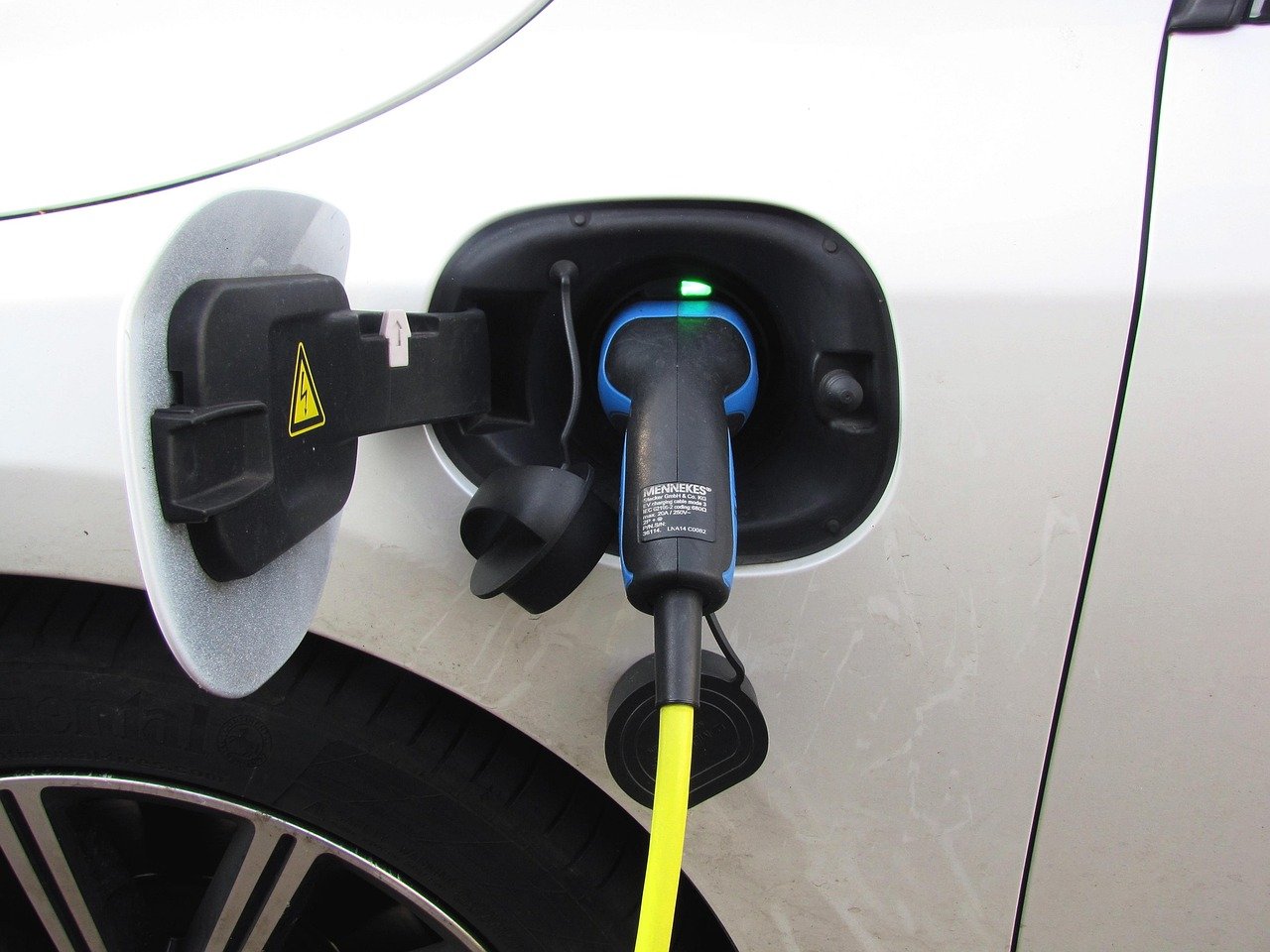
Hybrid vehicles use a combination of conventional internal combustion engines and electric motors to achieve better fuel efficiency and lower emissions. These vehicles have become increasingly popular as they offer a more environmentally friendly alternative to traditional gasoline-powered cars.
- Strengths:
- Improved fuel economy, leading to cost savings and reduced dependence on fossil fuels
- Lower emissions of greenhouse gases and other pollutants
- Smooth and quiet operation due to the electric motor assistance
- Drawbacks:
- Generally higher purchase price compared to conventional vehicles
- Limited all-electric range in some hybrid models, requiring frequent recharging or gasoline refueling
| Hybrid System | Description | Benefits |
|---|---|---|
| Hybrid Energy | Combines different energy sources for efficient energy supply | Improved energy security, reliability, and potential for reduced emissions |
| Hybrid Vehicles | Uses both conventional engines and electric motors for propulsion | Better fuel efficiency, lower emissions, and smooth operation |
How This Affects Everyday Life
✔ Reduced Energy Bills
By adopting hybrid energy systems, households and businesses can significantly reduce their energy expenditures. This is particularly beneficial for those with limited budgets, as it allows for the allocation of resources to other essential needs.
✔ Environmental Benefits
The integration of renewable energy sources into hybrid systems contributes to a decrease in greenhouse gas emissions and other pollutants, leading to improved air quality and a healthier environment.
✔ Increased Mobility Options
Hybrid vehicles provide consumers with a more fuel-efficient and environmentally friendly alternative for transportation, thereby increasing mobility options and reducing dependence on fossil fuels.
✔ Job Creation and Economic Growth
The development and implementation of hybrid technologies can stimulate economic growth by creating new job opportunities in the manufacturing, installation, and maintenance sectors.
✔ Enhanced Energy Security
Hybrid energy systems can improve energy security by reducing reliance on a single energy source, thus mitigating the risks associated with price volatility and supply disruptions.
Upcoming Trends
- Increased adoption of hybrid renewable energy systems for both residential and commercial applications
- Advancements in hybrid vehicle technology, including improved battery life and more efficient powertrains
- Growing demand for hybrid systems in developing countries, driven by the need for reliable and efficient energy solutions
- Integration of smart grid technologies with hybrid energy systems to optimize energy distribution and consumption
- Expansion of hybrid systems into new sectors, such as aviation and maritime transportation
- Enhanced focus on the development of sustainable and recyclable materials for hybrid system components
Worth Remembering
The success of hybrid systems depends on careful planning, design, and optimization. Understanding common mistakes and adopting best practices are essential for maximizing the benefits of these systems. As technology continues to evolve, the potential for hybrid systems to contribute to a more efficient, sustainable, and connected world is significant.